
Airtel Africa has commercially launched Starlink Mobile in the Democratic Republic of the Congo (DRC), making it the first country in Africa where Starlink’s satellite-to-phone service has moved from testing to commercial use. The service allows compatible Airtel smartphones to connect directly to Starlink satellites in areas where normal mobile network coverage is unavailable.

The commercial service went live in the DRC on August 14, 2026. Unlike traditional Starlink internet, users do not need a satellite dish, router or other special hardware. A compatible smartphone with a clear view of the sky can connect to the satellite network.
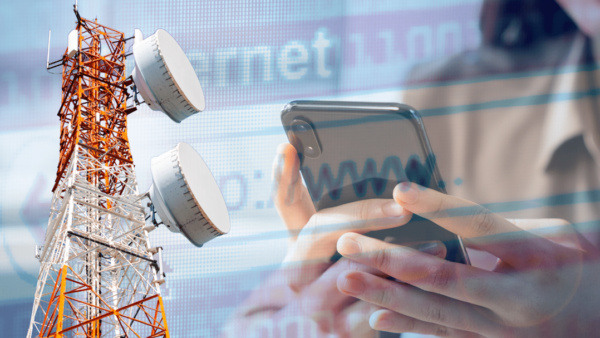
Starlink Mobile is designed to extend mobile connectivity beyond the reach of traditional cell towers. Starlink satellites act like mobile towers in space, allowing compatible phones to connect when terrestrial coverage is not available.
The first version of the service is focused on basic connectivity rather than full-speed internet. Airtel customers in the DRC can use SMS and selected light-data services, including WhatsApp messaging. The service does not currently provide the same unrestricted internet experience offered by conventional mobile networks or standard Starlink broadband.
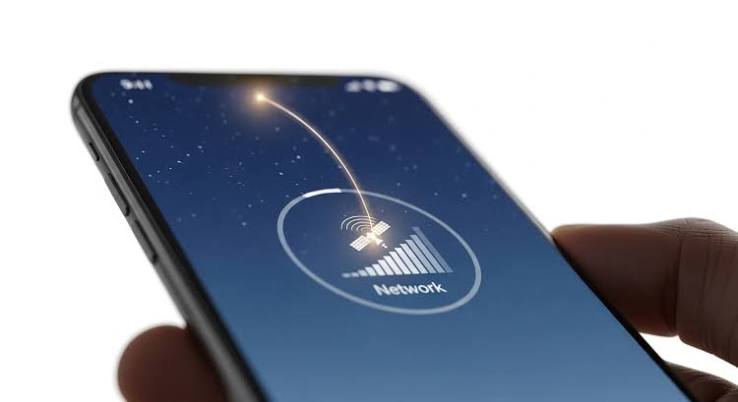
Airtel says customers do not need a separate Starlink device. For the initial launch, the service requires a compatible LTE Android smartphone and an active Airtel DRC data bundle, or data roaming switched on. Apple device support is expected in the future.
The DRC has a large land area and many communities that are difficult to reach with traditional telecommunications infrastructure. Airtel already serves rural and remote customers in the country, making satellite connectivity a possible way to extend coverage without relying only on new mobile towers.
Airtel’s own figures show the scale of the challenge. The company says it serves 18.8 million customers in the DRC, including 5.6 million in remote or rural locations where infrastructure is limited or does not exist.
The Starlink partnership could therefore help Airtel keep customers connected in places where building and maintaining traditional network infrastructure is difficult or expensive.
Nigerian Airtel customers should not expect to use the commercial Starlink Mobile service just yet.

Airtel Africa previously announced plans to bring Starlink Direct-to-Cell connectivity across its 14 African markets, including Nigeria. However, expansion depends on regulatory approval in each country. The DRC is currently the first Airtel Africa market where the service has reached commercial deployment.
This means the DRC launch is important for Nigeria because it provides a real commercial example of how the technology could work across Airtel’s wider African network.
The launch follows earlier tests between Airtel Africa and Starlink. Data and messaging services were successfully tested in Kenya in March 2026, while the DRC became the first market where the service progressed to commercial deployment.
The partnership between Airtel Africa and SpaceX was announced in December 2025, with plans to introduce Starlink Direct-to-Cell connectivity across Airtel Africa’s markets.
For Airtel, the DRC launch is an important step towards combining its existing mobile network with satellite connectivity.
The Airtel and Starlink launch could change how mobile connectivity reaches remote parts of Africa. Instead of waiting for a conventional cell tower to be built, compatible phones could eventually connect to satellites when they move outside normal network coverage.
For Nigerian users, the immediate impact is limited because commercial availability in Nigeria has not been confirmed. But if regulatory approvals are secured and the service expands as planned, satellite-to-phone connectivity could eventually give Airtel customers another way to stay connected in parts of Nigeria where terrestrial coverage remains difficult.
The DRC launch shows that direct satellite-to-phone connectivity is moving beyond demonstrations and trials. The next question is how quickly Airtel can bring the service to its other African markets, including Nigeria.