
Xiaomi has launched the Redmi 17 series for global markets, and the headline feature is hard to miss: a 7,500mAh battery packed into a phone starting at $179. The series comes in two variants, the Redmi 17 4G and the Redmi 17 5G, and both share the same bold design, massive battery, and most of the same specs, with a few key differences under the hood.

There is one catch worth knowing upfront. In a highly unusual move for Xiaomi, both Redmi 17 models step back from the Full HD panels found on their predecessors, instead using lower 1600 x 720px HD+ resolution screens. For a company that usually upgrades display quality with each generation, this is a noticeable trade-off.
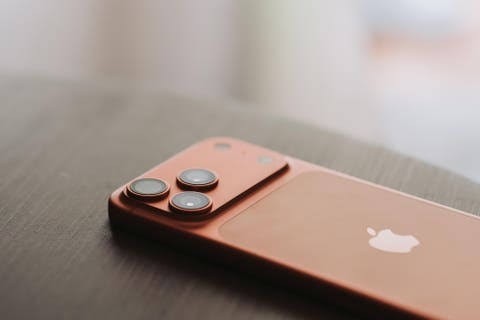
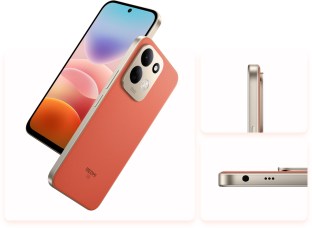
Both models feature flat edges, a matte frame, metal camera accents, and a back-mounted Dynamic RGB Light for notifications and gaming effects. The RGB notification light on the rear panel is one of the more distinctive design choices here. It pulses when you receive a call or message and can be customised for different alerts, giving the phone a gaming-adjacent aesthetic that stands out in the budget segment.
The Redmi 17 4G comes in Black, Deep Blue, Oak Green, and Lotus Purple, while the Redmi 17 5G is available in Black, Deep Blue, and Vivid Orange. The Vivid Orange option on the 5G model features a PU leather finish on the back, which is another unusual touch for a budget device.
Both phones come with 6.9-inch IPS LCD displays with 120Hz refresh rates. The large screen size and smooth refresh rate are genuinely useful for everyday scrolling and video watching.
However, the resolution drop to 1600 x 720px HD+ from the Full HD panels on previous models is the most controversial aspect of this launch. On a 6.9-inch screen, HD+ resolution means text and images will look noticeably less sharp compared to what you get on similarly priced phones from Tecno, Infinix, or Samsung. Whether that matters depends on how closely you look at your screen, but it is a meaningful step back.
Both models include Gorilla Glass 7i protection, IP64 dust and water resistance, and Wet Touch Technology, which allows the screen to respond to touch with wet fingers.
The Redmi 17 4G is powered by the MediaTek Helio G91-Ultra chip, while the Redmi 17 5G uses Qualcomm’s Snapdragon 4 Gen 5 built on a 4nm process.
The 5G model also benefits from faster UFS 2.2 storage, which means quicker app launches and data transfers compared to the eMMC 5.1 storage on the 4G variant. Both come in 4GB and 6GB RAM options, with 128GB or 256GB storage choices. The maximum 6GB RAM ceiling has drawn criticism from some reviewers who expected at least 8GB at this price point in 2026.
Both phones run Xiaomi HyperOS 3 on top of Android 16.

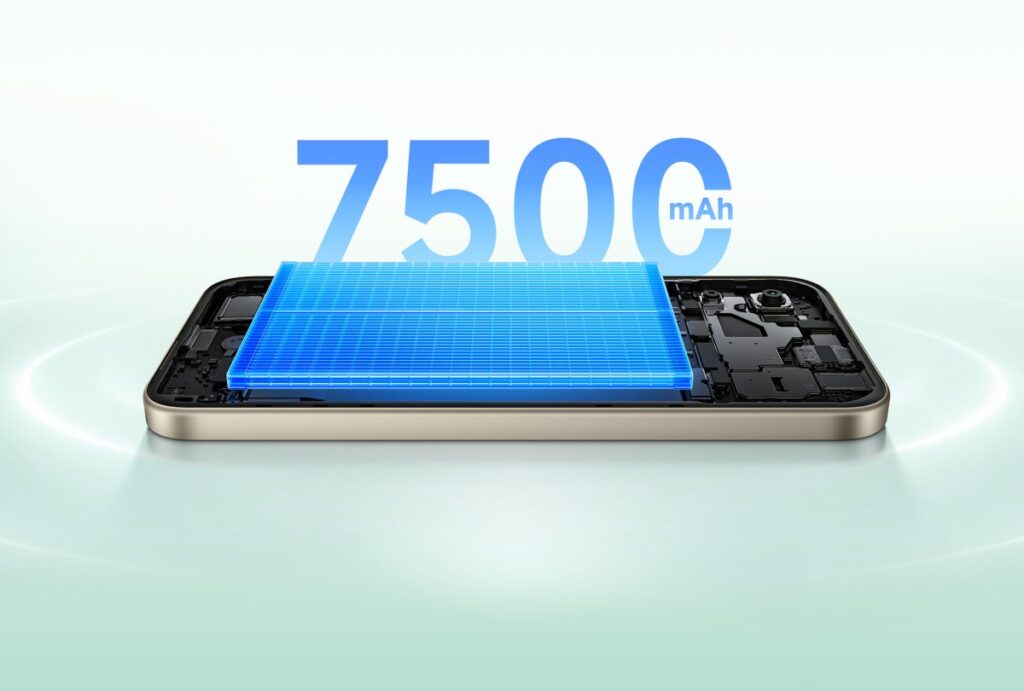
This is where both Redmi 17 models make their strongest case. Both pack a 7,500mAh battery with 45W fast charging, which delivers a full charge in approximately 96 minutes, and 22.5W reverse wired charging.
A 7,500mAh battery is exceptionally large even by 2026 standards. For Nigerian users who deal with unreliable electricity and need a phone that can go a full day and more on a single charge, this is a genuinely compelling feature. The reverse wired charging also means these phones can be used to top up earbuds, smartwatches, or even another phone in a pinch.
Both models feature a 50MP main rear camera paired with a secondary sensor for dual-view recording, plus an 8MP front camera.
The dual-view recording feature allows both the front and rear cameras to record simultaneously, which is useful for content creators who want to capture reactions alongside the main subject. The 50MP main sensor is a solid baseline for a budget phone, though Xiaomi has not specified aperture sizes or sensor dimensions for either model.
The Redmi 17 4G starts at $179 while the Redmi 17 5G starts at $249 for the 4GB RAM and 128GB storage variant.
In Malaysia, the Redmi 17 5G starts at MYR 769, roughly $188, while the Redmi 17 4G starts at MYR 669, roughly $163.
Xiaomi has not yet confirmed regional rollout dates, but both smartphones are expected to reach more markets soon. There is no official Nigerian pricing yet, and no confirmed date for local availability. Nigerian buyers interested in either model will likely need to watch third-party importers in the short term.
If battery life is your number one priority and you can live with a less sharp screen, the Redmi 17 series makes a compelling case at its price point. The 7,500mAh cell, reverse charging capability, and IP64 water resistance are genuine practical advantages that competitors at similar prices do not always offer together.
If screen sharpness matters to you, or if you regularly consume a lot of video content and want your images to look crisp, the display downgrade from Full HD to HD+ is a real reason to consider alternatives. Phones like the Infinix Note 40 series or Samsung Galaxy A27 5G offer Full HD displays at comparable price points and may serve those buyers better.
The Redmi 17 series is built around one idea: give budget buyers a battery that lasts long enough to stop worrying about charging. It delivers that convincingly. But the decision to drop display resolution in the same generation makes this a phone where you need to be clear about what matters most to you before buying. Battery first, screen quality second. If that order matches yours, the Redmi 17 is worth watching once it reaches Nigerian shelves.