
Nigerian children are being targeted by online predators, and the government’s tech agency wants parents to take that threat seriously. The National Information Technology Development Agency has issued a fresh cybersecurity advisory warning that the rapid expansion of internet access across the country is being exploited by criminals to abuse and manipulate children online.

The advisory, issued by NITDA’s Computer Emergency Readiness and Response Team, describes Online Child Sexual Exploitation and Abuse, known as OCSEA, as a growing danger that affects not just individual children but entire families, schools, and communities.

NITDA defined OCSEA as the use of internet platforms to exploit, abuse, or manipulate children. This covers a range of harmful activities, including grooming, which is when an adult builds a deliberate relationship of trust with a child in order to later abuse them, sextortion, which involves threatening to share a child’s intimate images unless demands are met, and the sharing of child sexual abuse material online.
It also includes situations where children are coerced or manipulated into producing or sharing sexual content themselves, often without fully understanding what is happening or the consequences that can follow.
NITDA warned that online predators are active across the same platforms Nigerian children use every day. Social media platforms, gaming environments, messaging apps, and other digital services are all listed as spaces where exploitation and abuse can and does happen.
This matters because many parents associate danger with obviously suspicious websites or strangers in the physical world. The reality is that the risks often hide inside familiar, everyday platforms that children already use to talk to friends, play games, and consume entertainment.
NITDA was clear that the damage from online child sexual exploitation does not stay contained. Victims may suffer emotional trauma, anxiety, and deep fear. Many lose trust in people around them. Their education and personal relationships can be disrupted for a long time after the abuse itself has stopped.
The ripple effects extend to families, who face emotional distress and growing uncertainty about how to keep their children safe. At a wider level, increasing incidents of online child abuse also place growing pressure on child protection agencies and law enforcement authorities across the country.
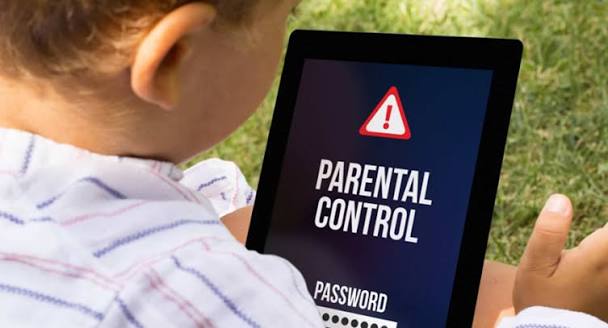
The agency gave parents a clear set of actions to take. These include actively monitoring children’s online activities, reviewing and tightening privacy settings on devices and applications, and making sure children are only using platforms that are appropriate for their age.

NITDA also urged parents to stay alert to unusual or secretive behaviour that could signal something is wrong. A child who suddenly becomes withdrawn, guards their phone closely, or reacts with distress to messages or notifications may need a private, careful conversation.
Equally important is creating an environment where children feel safe enough to speak up. NITDA specifically asked parents to encourage open conversations that allow young people to report suspicious online encounters without fear of blame or punishment. A child who is afraid of getting into trouble is far less likely to tell a trusted adult that something uncomfortable is happening to them online.
The advisory also included guidance aimed at children directly. NITDA recommended that children only accept friend or follow requests from people they already know in real life, avoid sharing personal information, photographs, or videos online, make use of the privacy controls available on the platforms they use, and report any online interaction that makes them feel uncomfortable or unsafe to a trusted adult immediately.
This advisory did not arrive in isolation. NITDA has been building child online protection into its wider digital literacy and policy agenda. Earlier this year, the agency partnered with Meta at a Youth Safety Summit held in Abuja, where it reinforced the importance of equipping young Nigerians with the knowledge and skills to navigate the internet safely.
The agency has also proposed that Online Child Sexual Exploitation and Abuse and the distribution of child sexual abuse material be treated as priority areas in its White Paper on the Framework for an Online Harms Protection Bill, with clearer responsibilities placed on online service providers and regulators to protect children.
NITDA was direct about what it believes this challenge requires, saying protecting children online is not something any one party can handle alone. It calls for collective action from parents, caregivers, educators, technology companies, government institutions, and the wider public.
The most practical step any Nigerian parent or caregiver can take right now does not require a new app or a parental control tool. It starts with a simple, honest conversation. Asking a child about what they do online, who they talk to, and how those interactions make them feel can open a door that might otherwise stay closed until something goes wrong.
If a child in your life discloses something that concerns you, the National Agency for the Prohibition of Trafficking in Persons, known as NAPTIP, operates a helpline at 0800-NAPTIP-0 (0800-6278470) that handles cases involving child abuse and exploitation.