
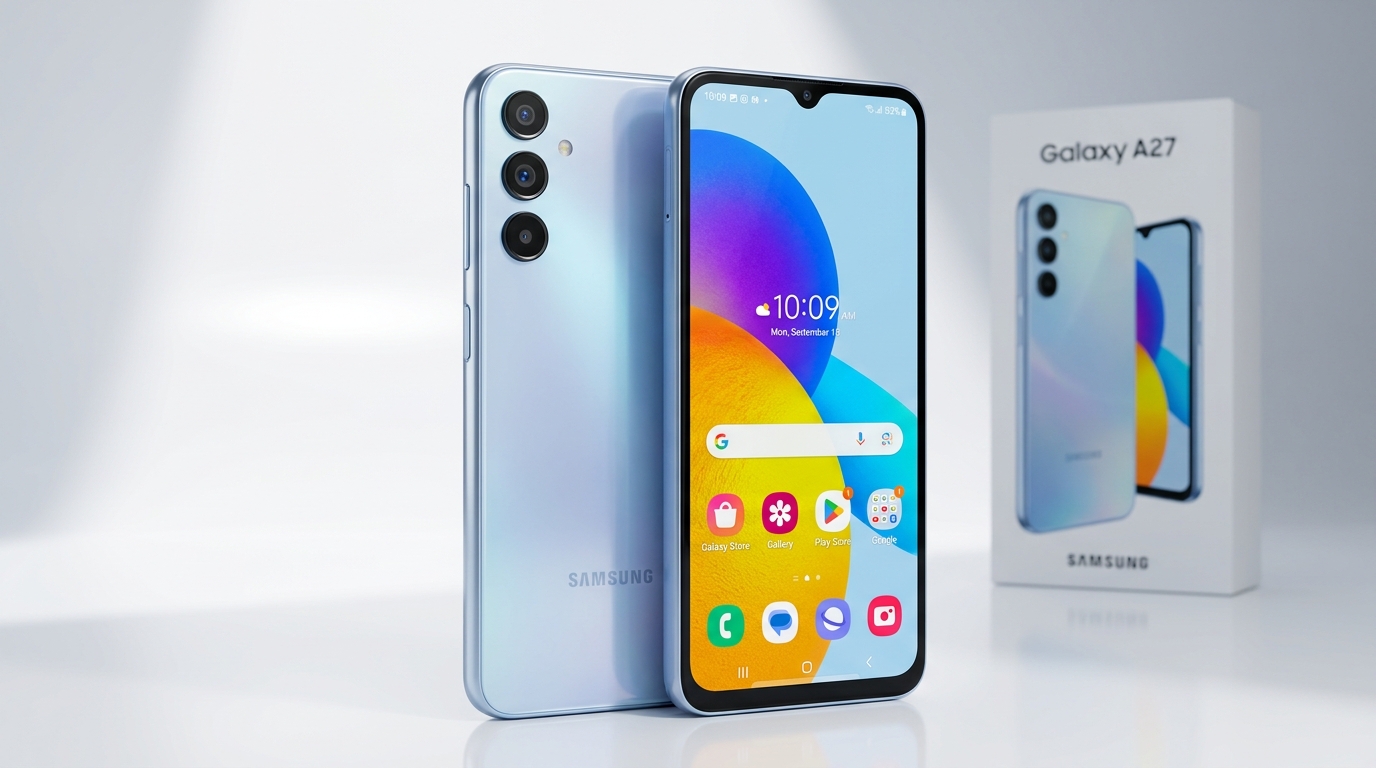
Samsung has launched the Galaxy A27 5G, a mid-range smartphone that brings several artificial intelligence features previously reserved for flagship phones down to a more accessible price point. The phone is now available in Nigeria, though Samsung has not yet announced official naira pricing for the device. What makes this launch worth paying attention to is not just the specs. It is the fact that Samsung is pushing AI tools like Circle to Search, photo editing features, and voice transcription into the hands of everyday Nigerian buyers who cannot afford a Galaxy S-series phone.

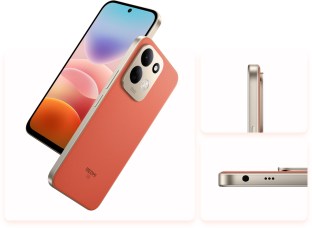
The Galaxy A27 5G comes in three colours: Ivory, Navy, and Black. It has a light build at 186 grams and measures 7.8mm in thickness, making it reasonably slim for a phone in this category. The front is protected by Corning Gorilla Glass Victus Plus, which is a meaningful upgrade for a mid-range device and should offer better resistance against everyday scratches and drops compared to standard glass.
The phone features a 6.7-inch Full HD Plus AMOLED display running at a 120Hz refresh rate. AMOLED panels are known for producing rich, deep colors and true blacks, which makes a noticeable difference when watching videos or scrolling through social media. The 120Hz refresh rate means animations and scrolling feel smooth and responsive, a feature that used to be exclusive to more expensive phones but is now becoming more common in the mid-range segment. Peak brightness reaches 1,000 nits, which should be adequate for outdoor use under Nigerian sunlight, though it falls short of the multi-thousand nit brightness figures seen on flagship devices.
The Galaxy A27 5G is powered by the MediaTek Dimensity 6300 chip, paired with 8GB of RAM and 256GB of internal storage. The storage is expandable via a microSD card, which is a welcome addition for users who store a lot of photos, videos, or downloaded content. The Dimensity 6300 is a mid-range chip built on a 6nm process. It is designed to handle everyday tasks like social media, video streaming, light gaming, and productivity apps efficiently, though it is not built for heavy gaming or intensive workloads at the level of flagship chips.
The rear camera system consists of three lenses. The main camera is a 50MP shooter, joined by an 8MP ultrawide camera and a 2MP macro lens for close-up shots. On the front, there is a 13MP selfie camera. The headline camera feature here is not the hardware itself but what the AI can do with it. Photo Assist allows users to remove unwanted objects from pictures, straighten tilted shots automatically, and remaster old or low-quality images. These are editing tools that previously required separate apps or a more expensive Samsung device to access.

This is where the Galaxy A27 5G makes its clearest pitch to Nigerian buyers. Circle to Search allows users to circle, highlight, or tap on anything on their screen, whether it is a piece of clothing, a product, or an image seen on social media, and immediately search for it online without leaving the current app. For Nigerian shoppers who discover products on Instagram or WhatsApp and want to find where to buy them, this could be a genuinely useful daily tool. Live Translate enables real-time translation during phone calls, which could be useful for business interactions across language barriers. Chat Assist helps users adjust the tone of messages before sending them. Note Assist can summarize lengthy notes automatically. Transcript Assist converts voice recordings into written text, which could be useful for students, journalists, and professionals who record meetings or interviews.
The Galaxy A27 5G is equipped with a 5,000mAh battery, which is a standard capacity for a phone in this size and price range. Samsung says the battery is designed to support full-day use under normal conditions. Charging speed comes in at 25W, which is adequate but not the fastest option available in the mid-range market. Some competing phones in a similar price range now offer 33W or 45W charging, so this is one area where the A27 5G does not lead the field.
Perhaps the most compelling reason to consider this phone over rivals is Samsung’s software commitment. The Galaxy A27 5G comes with a promise of six years of operating system updates and six years of security patches. For a mid-range device, this is exceptional. Most Android phones in this price range receive two to three years of updates at best, after which they stop receiving new features and security fixes. A six-year commitment means a buyer picking up this phone today could still be receiving official software support as late as 2031, which dramatically extends the useful life of the device.
In Nigeria’s mid-range market, the Galaxy A27 5G will go up against devices like the Tecno Camon 40 series, Infinix Note 40 series, and Xiaomi’s Redmi Note lineup. These competitors often offer faster charging speeds and sometimes more aggressive camera hardware at similar price points. Samsung’s edge here is the software longevity commitment, the AMOLED display quality, and the depth of its AI feature integration, which is more comprehensive than what most rivals offer at this price level.
Samsung has not yet released official naira pricing for the Galaxy A27 5G in Nigeria. Given the current exchange rate environment and how Samsung has priced recent A-series devices locally, buyers should expect the price to sit somewhere in the mid-range bracket once it is confirmed, the Galaxy A27 5G makes a clear argument: you should not have to spend flagship money to get AI tools that actually improve your daily phone use. If Samsung prices this competitively in the Nigerian market, it could become one of the more practical mid-range purchases of 2026 for buyers who want smart features, a good display, and long software support without breaking the bank.