
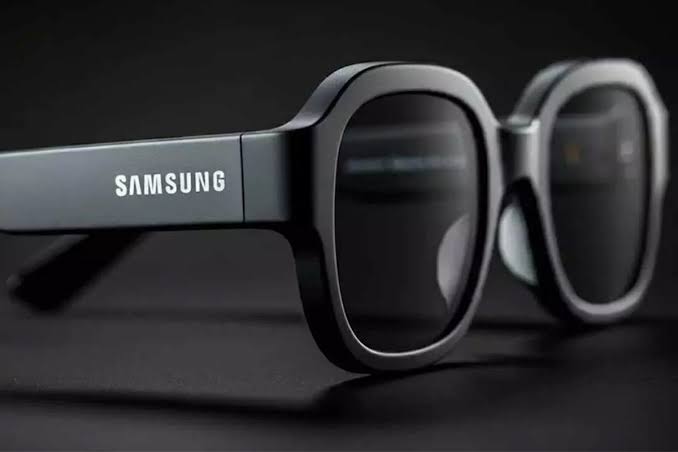
Samsung’s upcoming smart glasses will not work as a standalone device. That is deliberate. Speaking to The Korea Times after its Galaxy Unpacked event in London, Samsung described its first Android XR glasses as being built by a smartphone specialist, positioning them as an extension of the experience centred on the smartphone rather than a device designed to replace it.

The approach puts Samsung’s glasses in direct contrast with Meta’s Ray-Ban smart glasses, which are built to work independently. Samsung is betting that deeper ties to the Galaxy ecosystem will be a stronger selling point than standalone capability.
Samsung teased several integrations at Unpacked, including gesture controls on Wear OS watches to control the glasses, the ability to see photos captured by the glasses appear as notifications on a connected phone, and built-in speakers that give priority to Galaxy Buds when they are in use.
The glasses use what Samsung calls split computing, meaning processing tasks are shared between the glasses and a connected smartphone to keep the frames light. This is key to how Samsung plans to offer meaningful features without making the device too heavy to wear comfortably.
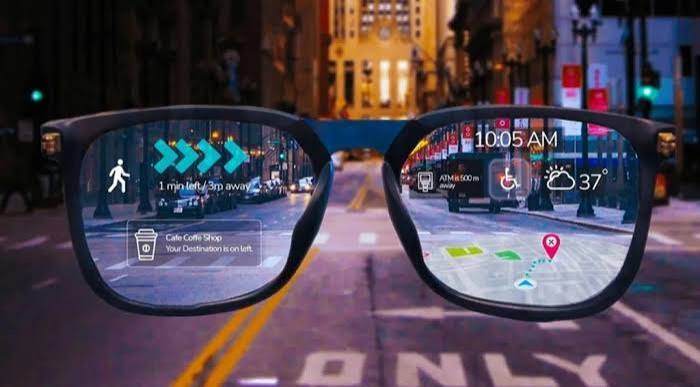
The glasses are powered by Google’s Gemini AI and run on the Android XR platform. This gives users hands-free access to features like real-time translation, message summaries and contextual help throughout the day, all without pulling out a phone.
Under the hood, the glasses run on the Qualcomm Snapdragon AR1 Gen 1 chip, the same processor used in Meta’s Ray-Ban glasses.
Samsung confirmed the glasses offer up to nine hours of battery life. That puts them comfortably ahead of many wearables in this category and makes them practical enough for a full day of use.

On design, Samsung has partnered with fashion eyewear brands Gentle Monster and Warby Parker to offer multiple styles, targeting consumers who want smart glasses that look like regular glasses rather than tech hardware strapped to their faces. Two styles were shown at Unpacked, with more collections expected before launch.
One concern that has followed smart glasses since Google Glass was the idea of being recorded without knowing it. Samsung says it has addressed this at the hardware level.
The glasses will automatically disable recording if the privacy light is covered or when the glasses are not being worn. This is not just a software setting that can be toggled off. It is a physical safeguard designed to prevent unauthorised recording even if someone tampers with the software controls.
Samsung says it is aiming for a reasonable price point, describing it as somewhere in the premium range. Meta’s latest smart glasses start at $299. Samsung has not given a specific figure yet, but the framing suggests a price that competes with or sits slightly above Meta’s offering rather than pushing into flagship territory.
Samsung has confirmed a Fall 2026 release window for the glasses, with additional details expected in the coming months. A version with a built-in display is expected to follow in 2027, meaning this first model is a display-free entry point.
Meta built smart glasses as a product that lives on your face independently. Samsung is building them as an accessory that makes your Galaxy phone more powerful. Both approaches make sense depending on how you use technology. For the millions of Nigerians already on Samsung Galaxy devices, the idea of glasses that talk to your phone, watch and earbuds in real time is a genuinely compelling pitch, if the price lands right when it eventually arrives on local shelves.