

Mobile technology has already changed Africa’s economy in ways that are hard to ignore. According to the 2026 GSMA Mobile Economy Africa Report, mobile technologies and services contributed $240 billion to Africa’s economy, supported 13 million jobs, and generated $45 billion in public revenues. Yet nearly one billion Africans with mobile coverage still cannot afford to use it.
That contradiction sat at the centre of conversations at the Digital Africa Summit Workshop held in Abuja on Wednesday, July 23, as part of the ongoing African Telecommunications Union (ATU) Conference of Plenipotentiaries.
GSMA warned that about 961 million Africans remain unable to use mobile broadband services despite living in areas already covered by network infrastructure. The organisation calls this the “usage gap,” and it is a very different problem from a coverage gap.
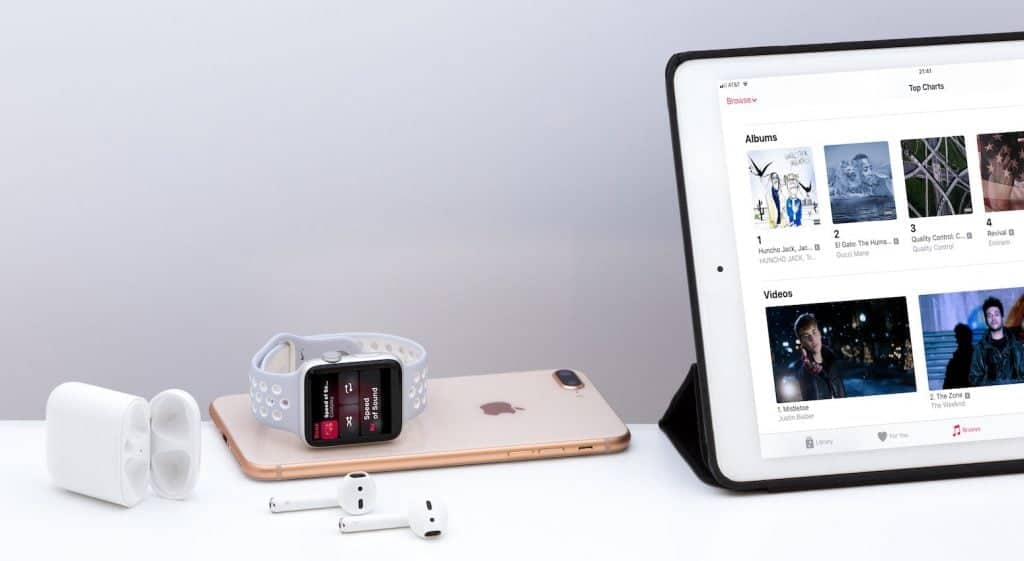
Coverage means the signal is there. The usage gap means people can see the network bars on a phone but still cannot afford the device or the data to actually get online. Caroline Mbugua, GSMA’s Senior Director for Public Policy, Africa, was direct about what this means for the future.
“We have a whole 961 million Africans that are covered by mobile broadband services but are not using the service. This is what we refer to as the usage gap. If this remains unaddressed, it means this number will be left behind when it comes to the adoption of AI,” she said.
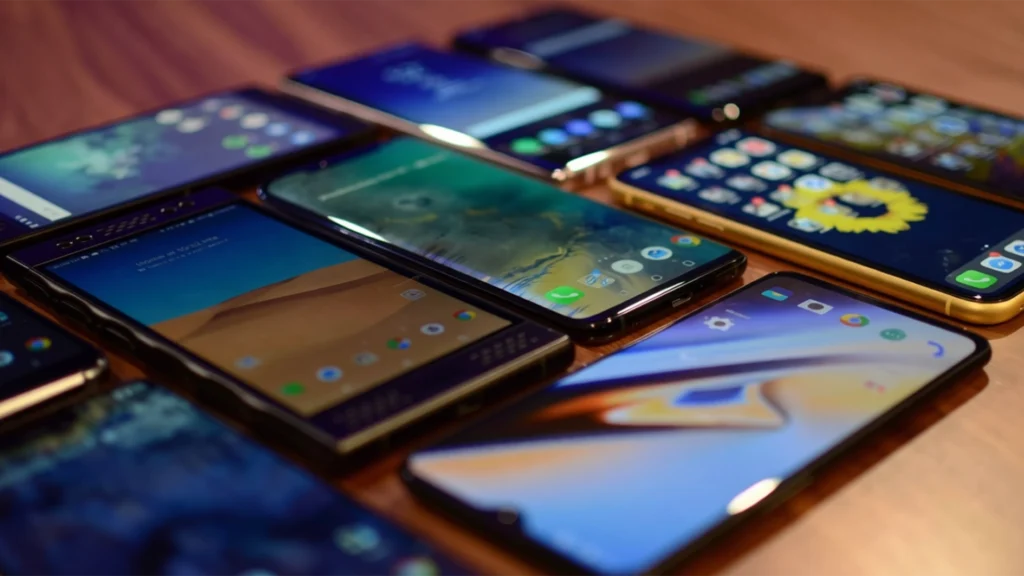
Mbugua said the single biggest obstacle to digital inclusion across Africa is not a lack of towers or fibre cables. It is the cost of entry-level smartphones. She argued that governments need to act on this urgently by cutting the taxes that push device prices beyond the reach of first-time users.
Don't Miss This Article

She cited South Africa as an example, noting that the removal of a nine per cent luxury goods tax on entry-level smartphones significantly accelerated smartphone adoption while reducing dependence on feature phones.
“We have seen that there is demand for smartphones. Customers are willing to use the service. Affordability is the challenge,” she added.
For Nigeria, where smartphones in the market can cost anywhere from N80,000 to several hundred thousand naira depending on the brand and specs, this point lands hard. A large portion of the population is still using basic feature phones, not because they do not want to go online, but because the cost of crossing over remains too high.
Beyond affordability, a physical coverage problem also remains. About nine per cent of Africa still lacks mobile broadband coverage, largely because rural and remote communities are expensive to serve.
Research cited at the workshop shows that deploying telecommunications infrastructure in hard-to-reach areas can cost between two and five times more than urban locations while generating up to ten times less revenue, making such investments commercially challenging.
To address this, Mbugua urged governments to adopt technology-neutral regulatory frameworks that allow operators to deploy whatever technology works best in a given area, including satellite services, rather than locking them into specific technologies through outdated licensing rules.
GSMA’s Head of Policy and Regulation, Michaela Angonius, raised another concern that applies directly to Nigeria. She said Universal Service Funds, which are pools of money that telecom operators pay into specifically to fund connectivity in underserved areas, are largely sitting unused across the continent.
“A lot of Universal Service Funds are unused. That effectively becomes an additional tax on the industry, which raises prices for end users,” she said.
Angonius also pushed for what she called regulatory parity, meaning that any company offering the same communications service should face the same rules, whether it is a traditional mobile operator or a newer satellite provider.
“Same service, same rules. That ensures competition is not distorted and consumers benefit from innovative and affordable solutions,” she said
GSMA unveiled its Digital Africa Index at the workshop, describing it as a data-driven tool that enables policymakers and regulators to assess digitalisation levels in African markets and identify reforms needed to improve connectivity and investment. Mbugua noted that while Nigeria performed strongly in several indicators, there remained room for improvement through evidence-based policymaking.
GSMA also disclosed that its AI Atlas initiative, aimed at integrating more African languages into large language models, includes Nigeria, with four indigenous languages already incorporated into the platform. The article does not name which four languages. This detail should be confirmed independently before publication if needed.
Don't Miss This Article

ATU Secretary-General John Omo said at the event that expanding coverage is only part of the answer. He stressed that affordability, digital skills, consumer trust and access to relevant local content will ultimately decide whether connectivity turns into real economic and social progress for ordinary Africans.
The numbers from the 2026 GSMA report show that Africa’s mobile sector is already a major economic engine. But $240 billion and 13 million jobs still leave nearly one billion people on the outside looking in. Cheaper smartphones, smarter tax policy and properly used Universal Service Funds are not complicated ideas. They are available decisions that governments across Africa, including Nigeria, can begin making right now.