

Nigeria’s Federal Government has a clear message for bloggers, online publishers and digital influencers: the platforms they have built are not just businesses. They are tools that can shape public opinion, strengthen democracy and either help or hurt the country.

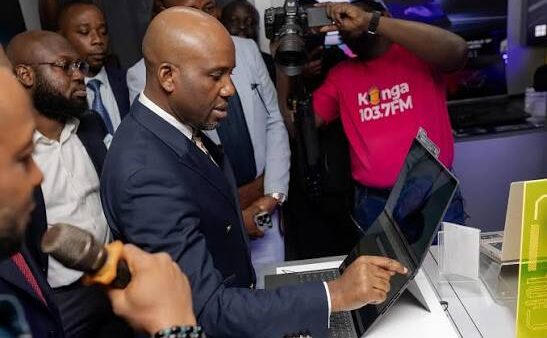
Mohammed Idris, Minister of Information and National Orientation, made this call on Monday, July 21, at the Niger State Bloggers, Online Publishers and Content Developers Forum held in Abuja. His remarks were direct and left little room for ambiguity.
“There is no democracy that can thrive without a responsible media. You cannot carry freedom and abandon responsibility,” he said.
Idris said digital platforms have changed how Nigerians get information, join public debates and influence government policy. Because of that shift, content creators have become key players in how the country works and how its citizens think.
The minister urged bloggers and influencers to publish accurate, balanced and verified information. He specifically asked them to strengthen their fact-checking practices before hitting publish, to reject false narratives and to avoid sensationalism. He also said content creators should use their platforms to educate, inspire and encourage active civic participation.

For young Nigerians building careers in digital content, Idris said the work should be seen as more than a source of income. He said their platforms are powerful enough to foster peace, promote national unity and push democratic values forward.

The timing of the minister’s call is not accidental. Misinformation and disinformation have become serious problems for governments, institutions and citizens across the world, and Nigeria is no exception. False content spreads fast on WhatsApp, X, TikTok and Instagram, sometimes causing panic, inflaming tensions or misleading voters before facts can catch up.
Idris acknowledged that digital platforms offer real opportunities for innovation and civic engagement. But he was firm that those opportunities must be handled with care. He added that the Tinubu administration remains committed to protecting press freedom while encouraging ethical journalism across both traditional and digital media.
Beyond the call to individual creators, the Federal Government also pointed to a new institutional tool it is using to address the problem at scale.
Idris highlighted the International Media and Information Literacy Institute, known as IMILI, describing it as the world’s first UNESCO Category 2 Institute dedicated exclusively to media and information literacy. The institute is designed to equip Nigerians with the critical thinking skills needed to identify misinformation, evaluate digital content and participate responsibly in the online information space.
He also encouraged aspiring bloggers, online publishers and digital entrepreneurs to invest in continuous learning, develop professional skills and hold themselves to ethical standards. Doing so, he said, would not only build public trust in digital media but also open up more sustainable opportunities within Nigeria’s growing digital economy.
For Nigerian content creators, this is a moment to think seriously about the role they play. Millions of people across the country get their news, form their opinions and make decisions based on what they read and watch online. That kind of reach is not just an opportunity for monetisation. It is a responsibility that comes with real consequences, for audiences, for communities and for the country. The government’s message this week is simple: use it well.