
Hiring a professional video editor in Nigeria is not cheap. For a small business owner already managing costs across operations, marketing, and staffing, paying for consistent video production often falls off the list entirely. AI video tools are beginning to change that calculation in a meaningful way.

Short-form video has become the dominant format on the platforms Nigerian businesses use most, including Instagram, TikTok, and WhatsApp Status. Research consistently shows that video content generates significantly more engagement than static images or text posts across these platforms. For small businesses trying to compete for attention, posting video regularly is no longer optional, it is expected.

The gap between a business that posts consistent, polished video content and one that does not is increasingly visible to customers. Poor lighting, shaky footage, watermarks from borrowed clips, and missing captions all send signals that undermine trust before a customer has even looked at your product.
Professional video production helps, but it comes at a price that many Nigerian SMEs cannot justify consistently, especially for the volume of content social media algorithms now reward. AI tools are stepping into that gap.
The most useful AI video capabilities for small businesses right now fall into a few clear categories.
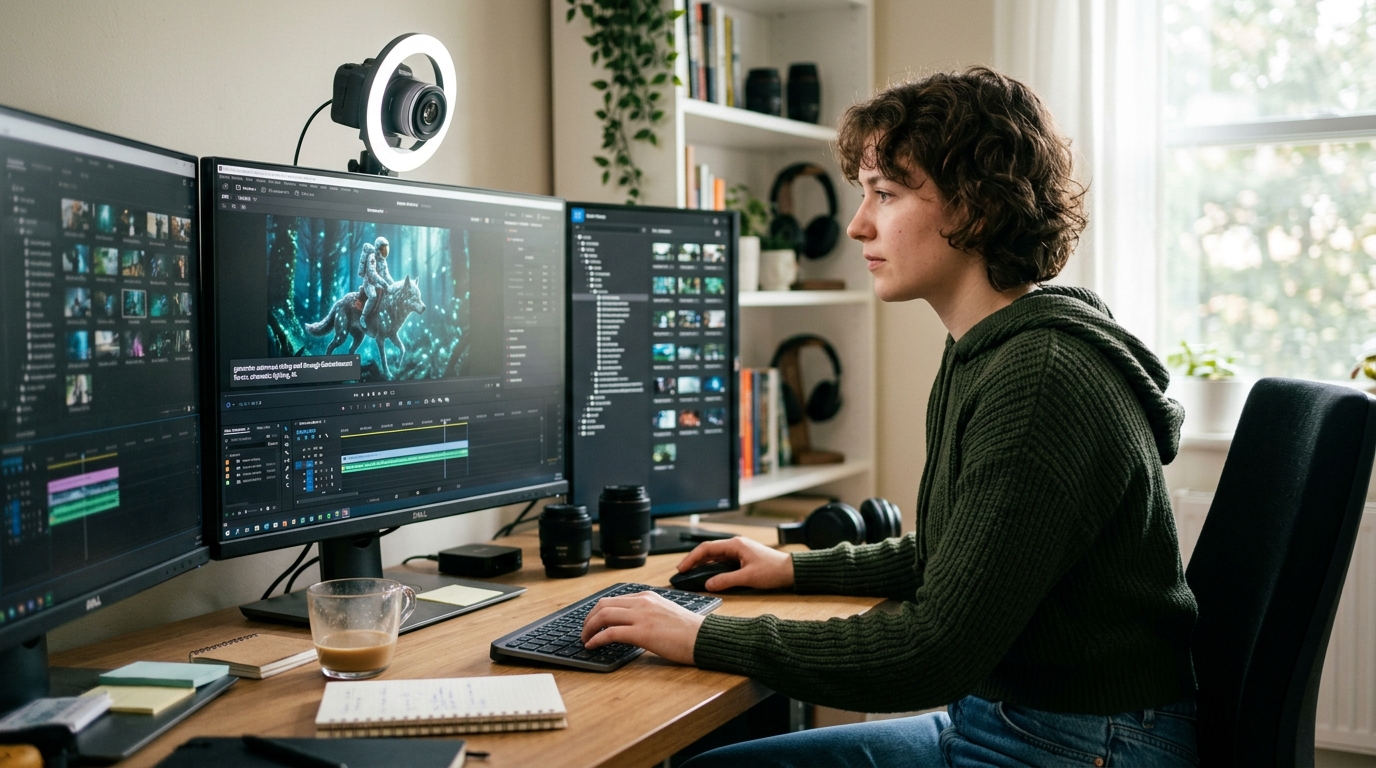
Video enhancement tools can take footage shot on a phone in poor lighting and automatically correct the colour, sharpen the image, and reduce noise. The result is footage that looks far closer to a professional shoot than what came out of the camera originally.
Auto-captioning tools generate accurate, time-synced captions automatically. This matters because the majority of social media users watch videos without sound, especially while commuting or in public spaces. A video without captions loses a large portion of its potential audience in the first few seconds.
Watermark and logo removal tools allow businesses to clean up repurposed or stock footage so the final clip looks original rather than borrowed. This is particularly useful for product videos where a business may be reusing supplier content.
Video upscaling tools take low-resolution clips and improve their visual quality without requiring a reshoot, which can save significant time when working with older content or footage shot on less capable devices.

AI avatar and product showcase tools can turn still product photos into short video clips suitable for social media or online shops, without needing to film anything at all. For Nigerian e-commerce sellers on platforms like Jumia or Jiji, or those selling through Instagram DMs, this kind of tool can dramatically speed up content creation.
One of the most practical changes AI tools bring is the ability to batch content creation rather than filming every day. A small business can set aside one session per week to film multiple short clips, then use AI tools to enhance, caption, and clean up all of them in a single sitting before scheduling them to post across the week.
This approach removes the daily pressure of creating content from scratch and turns video production into a more manageable weekly task rather than a constant drain on time and energy.
Not every AI video tool is built the same way, and Nigerian users should consider a few things before committing to one. Free plans often come with watermarks on the output or strict limits on how many videos you can process each month. Paid plans vary significantly in what they include, so it is worth testing a free trial before committing.
Data privacy is also worth considering. Some tools upload your video footage to cloud servers for processing, which means your content, including potentially unpublished product footage or branding materials, is leaving your device. Check the tool’s privacy policy before uploading anything sensitive.
For businesses operating primarily on mobile, checking whether a tool has a strong app rather than just a desktop version matters a great deal in the Nigerian context, where a lot of small business activity happens entirely on smartphones.
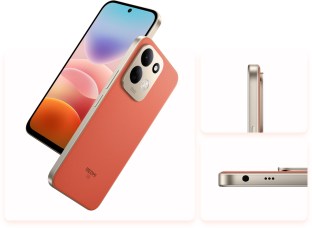
The combination of affordable smartphones and AI-powered editing tools has removed the two biggest barriers Nigerian SMEs previously faced in producing consistent video content: equipment and editing skill. What used to require hiring a production team or a freelance editor can now be done by one person with a phone and the right tools.
The businesses that figure this out early and build a consistent video presence on the platforms their customers already use will have a meaningful advantage over competitors still waiting until they can afford a proper production setup. That setup, for most purposes, already exists in your pocket.