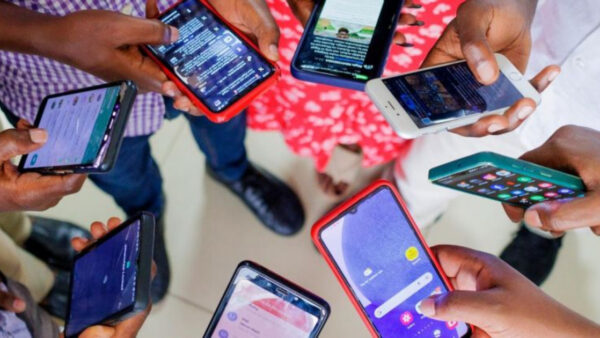

Phone owners across Nigeria began receiving text messages from a sender called “NCC-Checker” on Saturday, October 10, 2026, warning that their handsets aren’t verified for use on Nigerian networks and could be disconnected after 30 cumulative days. The alerts are the first sign that the Nigerian Communications Commission’s Device Management System (DMS) has moved beyond phone dealers’ stock and is now looking at devices people are already using on MTN, Airtel, Glo and T2.
Owners of Apple iPhones, Google Pixels, Tecno, Infinix and Oukitel phones are among those who’ve reported getting the message, including people who bought their phones from Nigerian online stores and others who brought them in from abroad. If you’ve seen the text, you don’t need to throw the phone away or rush to pay anyone, because the countdown is cumulative and the NCC hasn’t yet published the process for clearing a flagged device. What you should do now is confirm your phone’s status, gather your proof of purchase and keep an eye on the commission’s official channels.
| Sender ID | NCC-Checker |
|---|---|
| First texts reported | Saturday, 10 October 2026 |
| Warning period | 30 cumulative days of network use |
| Number in the message | 315 |
| System behind it | Device Management System and Central Equipment Identity Register |
| Process for phones bought privately or abroad | Not confirmed |
What the NCC-Checker message actually says
The wording shared by recipients reads “Your (Device Model) is not verified for use on Nigerian mobile networks. You have 30 cumulative days before disconnection. Contact your seller or dial 315.” The device model in brackets is filled in with the phone’s actual name, which is how people with an iPhone 17 Pro or an Infinix Hot 40 knew the alert was about their own handset rather than a general broadcast.
The key word is “cumulative.” The count is tied to the days the phone is actually used on a Nigerian network, not a fixed calendar deadline, and the NCC hasn’t said publicly when the count for each device started. If it began with the first texts on October 10 and a phone is used every day, the 30th day would fall around November 9, but treat that as an estimate until the commission confirms its own timeline. An NCC official who spoke to reporters described the alerts as warnings rather than immediate shutdowns.
Why a phone you paid for can still be flagged
A flagged phone isn’t automatically fake or stolen. The DMS checks a device’s IMEI, the 15-digit number that identifies each handset, against a register of phones that have passed the NCC’s Type Approval, which Section 132(2) of the Nigerian Communications Act 2003 requires before communications equipment is sold or used. In its statement on Type Approval compliance for SIM-enabled devices, the commission’s Director of Technical Standards and Network Integrity, Engr. Edoyemi Ogoh, said “all SIM-enabled communications devices brought into the country must be registered before they are sold.”
That’s why a genuine phone can still show up as unverified. A unit carried in from the UK or the US was never loaded onto the Nigerian register, and a phone a dealer imported without completing the process may not be on it either, even if the box and receipt look perfect. An NCC official quoted in reports said the exercise isn’t aimed at any brand and that “devices that are not type approved cannot work on the networks in the country.” When we covered the October 6 stock deadline for dealers, nothing published by the commission set a cut-off for phones already in use, and these texts are the first step in that direction.
Check your phone’s status before the count runs down
Users report that dialling *315# and choosing option 1, Check this device, returns the handset’s status, with approved phones getting a reply that the device is NCC Type Approved and verified for use on Nigerian networks. The NCC hasn’t listed this code on its website yet, so if it doesn’t work on your line, call 315, which is the number printed in the warning itself.
Next, dial *#06# to display your IMEI and write it down. If you bought the phone from a shop or an online store in Nigeria, go back to the seller with your receipt and the box and ask them to confirm the IMEI has been registered with the NCC, because the commission placed that responsibility on dealers and importers. Brand service centres and official distributors can also help sellers sort out units from their own supply chain.
Bought your phone abroad? Here’s where things stand
People who brought phones in from overseas, or bought them from private sellers, are in the hardest position for now, since there’s no public registration route for them yet. An NCC official said the commission would “in the coming days” roll out a procedure for anyone who bought a phone privately, and media briefings are planned in Lagos and Abuja before full deployment. Phone traders, through the Association of Mobile Phones and Allied Products Traders of Nigeria, have said they support the system but oppose registration fees on new imports, warning that any cost could be passed on to buyers. Whether owners will pay to regularise a device hasn’t been announced.
Don’t pay anyone who offers to “register” or “unblock” your phone, and never share a one-time code or click a link sent with a message like this. The genuine alert only points you to your seller and 315. If your network blocks your device in error or you can’t get an answer from your operator, you can escalate it using our guide on how to complain to the NCC.
For now, the practical step is to check the status of every phone in your household, keep receipts and boxes somewhere safe, and watch the NCC’s official website and verified social media accounts for the registration procedure. The commission’s background on the system is in our earlier explainer on what the Device Management System checks, and we’ll follow up when the regularisation process for privately bought phones is published.