
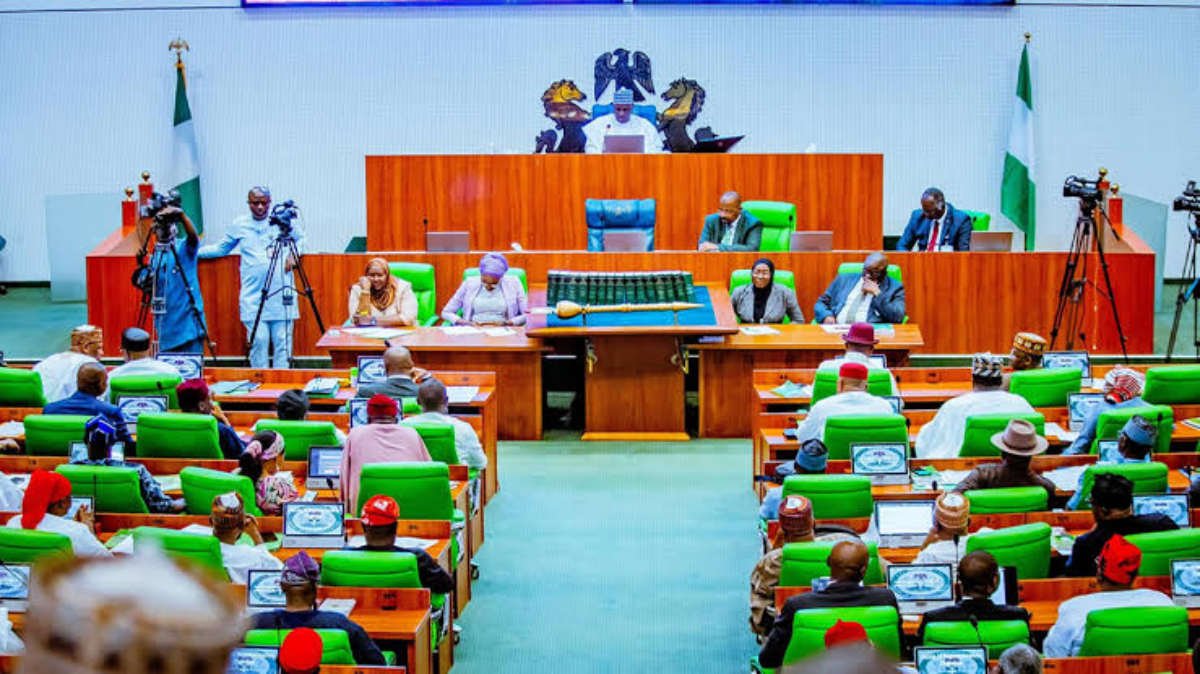
The House of Representatives has ordered the chief executives of MTN, Airtel, Globacom and Mafab Communications to appear in Abuja on Wednesday, October 28, 2026, and explain why Nigerians keep putting up with poor network service. The order came on Wednesday, October 21, from the House ad hoc committee investigating service quality and customer experience in the telecom sector, which gave the operators seven days to respond and warned that any chief executive who fails to turn up could face an arrest summons.
Rep. Olumide Osoba (APC, Ogun) chairs the committee, which is working on two motions the House adopted after they were moved by Rep. Sunday Umeha (Enugu) and Rep. Afam Ogene (Anambra). The committee said MTN and Mafab had already failed to honour earlier invitations, and lawmakers complained that operators were sending junior staff in place of the people who can actually commit their companies to fixes. The operators have also been told to submit all relevant documents before the hearing, and the Nigerian Communications Commission (NCC) has been asked to make sure the bosses attend.
| Date and time | Wednesday, October 28, 2026, 2pm |
|---|---|
| Venue | Hearing Room 447, National Assembly Complex, Abuja |
| Operators summoned | MTN, Airtel, Globacom, Mafab Communications and other service providers |
| Committee chair | Rep. Olumide Osoba (APC, Ogun) |
| Documents due | On or before the hearing date |
| If a CEO stays away | Committee says it could issue an arrest summons |
Lawmakers want the decision-makers in the room this time
Osoba told the session that telecom services have kept declining and that the damage reaches well beyond dropped calls, pointing to POS operators whose transactions depend on the networks staying up. Rep. Ibe Osonwa (LP, Abia) said companies earning large revenues in Nigeria had no business ignoring invitations from the National Assembly, and that the House wouldn’t allow the operators to frustrate the investigation.
MTN subscribers in Lagos, Oyo, Rivers, Delta and the FCT lost service for hours during the October 8 outage, and NCC data for the first half of 2026 put Airtel at 228,992 consumer complaints, MTN at 124,405, Glo at 56,810 and T2 at 3,885. Mafab, the 5G licensee that has stayed far less visible to everyday subscribers than the big three, is on the list too, so the committee is clearly casting its net across operators rather than singling out one network.
Airtime payouts to 75 million lines haven’t quieted the complaints
The summons lands a day after the NCC said about 75 million subscribers received airtime compensation for poor service in 2026, a figure its Executive Vice Chairman, Aminu Maida, gave at the commission’s consumer parliament in Lagos, which we covered in the NCC’s plan for recycled-number checks. Under the NCC’s Consumer Compensation Framework, an operator that misses its quality of service targets in a local government area has to credit affected subscribers with airtime, without anyone applying, and tell them by SMS once the credit lands.
That framework only covers prolonged or repeated failures confirmed by the NCC, so a bad afternoon on your street won’t trigger anything, and the amount depends on how much you used the line that month. For many subscribers the credits have been small, as our breakdown of why MTN lines got between ₦20 and ₦1,436 shows, and lawmakers are now pressing on the networks themselves rather than the payouts.
What the hearing could put on the public record
If the chief executives show up, operators will have to explain their network performance in a public session, backed by documents the committee can test against what subscribers experience. If they don’t, the committee has already said what comes next. Either way, nothing about your service changes on October 28 itself, so the useful thing to do now is build a record of your own.
Note the dates, times and locations when calls fail or data stalls, screenshot speed tests and failed transactions, and complain to your operator first so there’s a ticket number on file. If the operator doesn’t resolve it, you can take that same evidence to the regulator by following our guide on how to complain to the NCC. A complaint with dates and a ticket number is exactly the kind of evidence that ends up in the figures lawmakers are now quoting back at the operators.