


Nigeria is starting a major digital overhaul of its cooperative sector with a new national registry designed to identify and verify cooperative societies and their members. The Federal Government has also announced a six-month revalidation exercise for existing cooperatives as part of the plan.

The National Cooperative Smart Registry, or NCSR, is being developed through a partnership between the Federal Ministry of Agriculture and Food Security, the Cooperative Federation of Nigeria and Nigerian technology company Seamfix. The organisations signed a Memorandum of Understanding for the project in Abuja on August 12, 2026.
The new system will have three main parts: the National Cooperative Smart Registry, the Cooperative Verification Number and the Cooperative Member Identification Number.
The NCSR will serve as a national digital platform for verified information about cooperative societies. Each registered cooperative will receive a Cooperative Verification Number, known as a CVN, which will give it a verified digital identity.
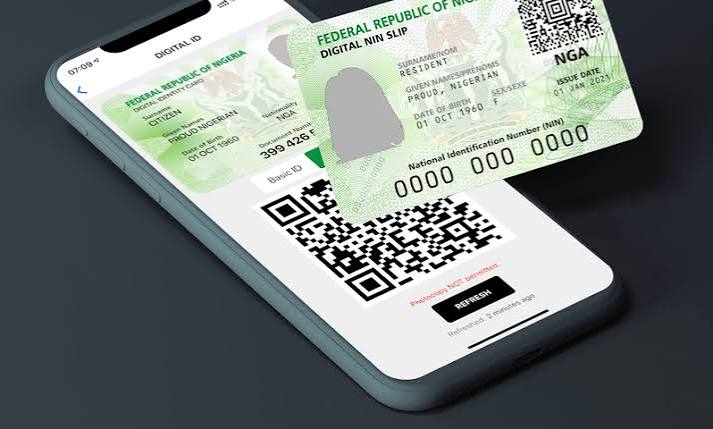
Individual members will receive a Cooperative Member Identification Number, or CoopID. The CoopID will connect a member’s verified identity to their National Identification Number, or NIN.

The scale of the project is large. The Federal Government and its partners say Nigeria has more than 370,000 registered cooperative societies covering areas such as agriculture, commerce, manufacturing, housing, transport and finance. Membership is estimated to run into the tens of millions.
Many cooperative societies still rely on manual records to manage their members. This can make it harder to confirm whether a cooperative or member is genuine and can also make it difficult for government programmes to reach the right beneficiaries.
The new system is intended to bring these records into a more organised digital structure.
The digital rollout is being accompanied by a six-month National Revalidation and Re-certification Exercise for existing cooperatives. The Federal Government has directed cooperative authorities across the states and the FCT to help drive the implementation.
The exercise is important because the government needs to verify existing cooperative records before they can form part of a trusted national digital database.

The government has also stressed that the smart registry will support existing regulatory structures rather than replace them. Federal, state and FCT cooperative authorities will continue to have their statutory registration and regulatory responsibilities.
A verified digital identity could make it easier to distinguish genuine cooperatives from organisations with incomplete or unreliable records.
The government also expects the system to improve the targeting of interventions, reduce duplication and fraud, and strengthen coordination between cooperative authorities. It is also expected to support financial inclusion and make cooperatives more visible within the formal economy.
For members, linking cooperative identities with NIN could create a more consistent way to verify membership. However, the government has not said that every cooperative member will automatically gain access to loans or other financial services simply because they receive a CoopID.
The project shows that Nigeria’s digital transformation is moving beyond banking, telecoms and government identity services into traditional sectors of the economy.
For cooperatives, moving away from fragmented paper records could improve how information is collected, checked and shared. It could also give government agencies a clearer picture of the sector when planning support programmes.
The success of the project will depend heavily on implementation at state and community level. The Federal Government has already said it cannot digitalise the cooperative sector from Abuja alone, which is why state cooperative directors have been assigned a major role in the rollout.
Nigeria’s cooperative sector is too large to depend entirely on disconnected manual records. The National Cooperative Smart Registry is an attempt to give societies and their members a verified digital identity while creating a more organised national database.
The immediate focus is on revalidation, registration and verification. If the system is properly implemented across the states, it could eventually make it easier for genuine cooperatives to interact with government programmes and other formal institutions.