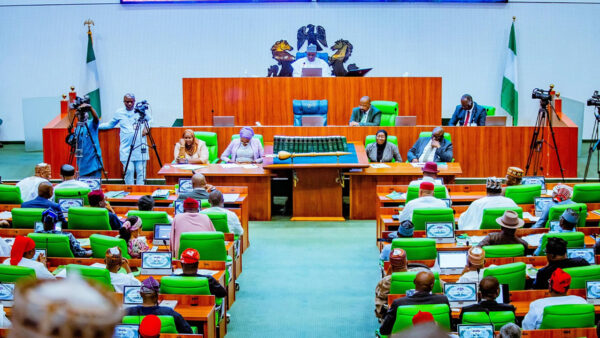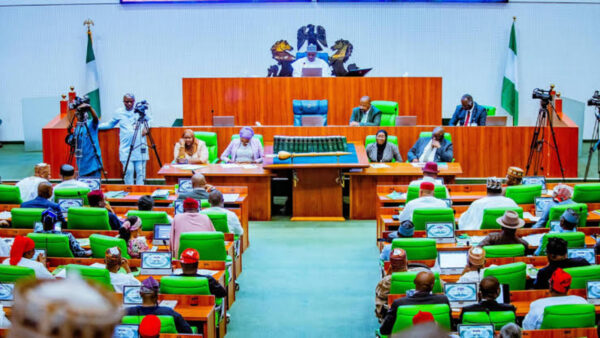

MTN, Airtel, Globacom and the company behind T2 have asked the Federal High Court in Abuja to stop the House of Representatives’ network quality probe, in a suit dated Wednesday, November 4, 2026, the same day their chief executives had been summoned to appear before lawmakers. The case, FHC/ABJ/CS/2713/2026, was filed together with the Association of Licensed Telecommunications Operators of Nigeria (ALTON), and it names the House, its Speaker, its Clerk and the Inspector-General of Police as defendants.
The operators want the court to set aside the summonses issued on October 29 by the House Ad Hoc Committee on Telecommunications Quality of Service, which directed their chief executives to appear with documents, and to stop lawmakers from enforcing them with arrest warrants. For subscribers, the case doesn’t pause anything the Nigerian Communications Commission (NCC) already requires of the networks, including the airtime compensation many lines have received this year.
Three questions the telcos want a judge to answer
The originating summons asks the court whether the National Assembly’s power to investigate is limited to the purposes set out in Section 88(2) of the 1999 Constitution, whether that power can reach privately owned telecom companies that don’t administer laws or manage funds appropriated by the National Assembly, and whether the House can issue arrest warrants to force executives to attend committee hearings.
The operators also argue that service quality is the NCC’s job under the Nigerian Communications Act 2003 and the Quality of Service Regulations 2024, not a committee’s. As reported from the filing, they cited pending lawsuits by subscribers, including a ₦550 billion class action against MTN at a High Court in Sagamu, Ogun State, as cases that further House hearings could prejudice. No hearing date for the new suit had been reported as of Monday.
The fight began with a seven-day ultimatum and an arrest threat
We reported last week that the committee had warned the bosses of MTN, Airtel and Glo that they could face arrest if they skipped the November 4 hearing. The committee, chaired by Olumide Osoba, has argued that networks now carry essential transactions such as point-of-sale payments, which makes outages a national concern rather than a private matter between a company and its customers.
The suit lands in the same season as strong results for the biggest network, with MTN’s own figures showing profit of ₦1.17 trillion and rising data use per customer over the first nine months of the year. Mafab Communications, which the committee also invited, isn’t a party to the case.
Your compensation from the NCC doesn’t depend on this case
Whatever the court decides about the House, the NCC’s compensation framework keeps running. According to the regulator’s official compensation FAQ, the scheme took effect in April 2026 and covers poor service from November 2025, when the NCC confirms an operator missed its performance targets in a local government area. Compensation is airtime credit with no usage restrictions, it’s paid automatically, and you get an SMS when it lands, so there’s no form to fill.
To qualify, your line must have recorded at least one billed outgoing activity in the affected area during the period, and you must still be with the operator whose network failed. The NCC’s Executive Vice Chairman, Dr Aminu Maida, said in October that about 75 million subscribers received airtime or data compensation between November 2025 and September 2026. Foreign SIMs roaming in Nigeria don’t qualify, and the regulator publishes the affected areas on its website.
What to keep doing while lawyers argue over the probe
If calls drop or data stalls where you live, report it to your network first and keep the complaint reference, then escalate to the NCC on its toll-free line, 622, if it isn’t resolved. The court case only decides who gets to question the operators’ bosses, while compensation depends on the NCC’s own network checks, and the regulator’s plans for data-use alerts are moving on a separate track.