
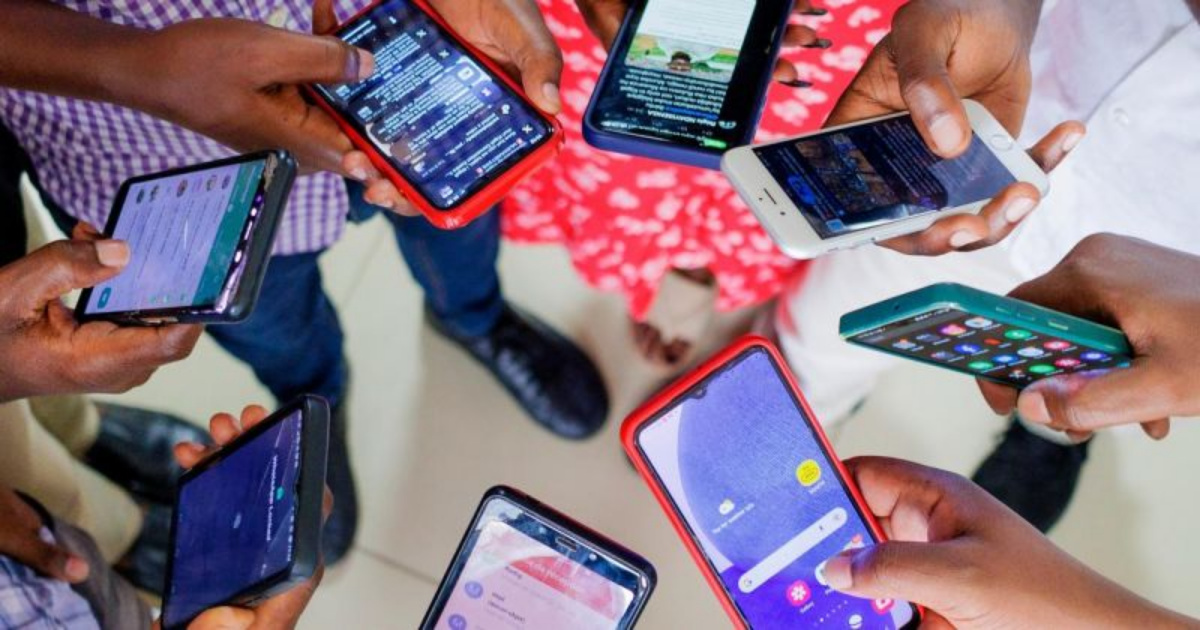
The free 100MB daily data for students starts on Thursday, October 1, 2026, and it only works on education platforms that the Nigerian Communications Commission (NCC) and the Federal Ministry of Education have approved. The NCC launched the scheme, officially called Zero-Rated Data Access to Educational Platforms and Content, in Abuja on September 10, and the first phase covers students in public senior secondary schools and public tertiary institutions.
The idea is simple enough. When you open an approved learning platform on your phone, the data you use there isn’t taken from your paid bundle, up to 100MB a day. What most students and parents want to know is whether they have to register, which networks are taking part and which sites will actually count, and some of those answers still aren’t public three days before the start date.
| Start date | 1 October 2026 |
|---|---|
| Daily allowance | 100MB a day on approved platforms only |
| Who qualifies first | Students in public senior secondary schools and public tertiary institutions |
| What it covers | Whitelisted learning platforms, digital libraries and education repositories |
| What it doesn't cover | Social media, general browsing and apps outside the approved list |
| Who approves platforms | NCC and the Federal Ministry of Education |
| Approved platform list | Not confirmed |
How the free 100MB daily data for students actually works
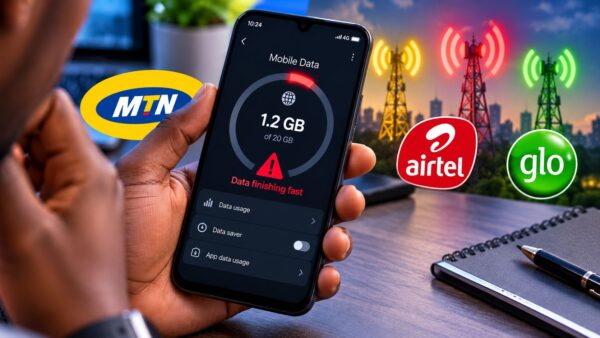
This isn’t a data bundle that lands on your line and can be spent anywhere. It’s zero-rating, which means your network doesn’t charge you for traffic to specific approved websites and apps. In the NCC’s statement on the initiative, the Commission says it runs on an operator-sponsored model, so the telecom companies carry the cost rather than the student. Reports from the launch name MTN, Airtel and Glo as the operators involved, although the NCC’s own statement doesn’t list them, and T2 hasn’t been named anywhere yet.
The platforms fall into a few groups, according to the NCC. These are learning management systems, digital libraries, educational repositories, teacher development platforms and technical and vocational training platforms. The Commission and the ministry will jointly decide which ones get whitelisted, and only those will be free. WhatsApp, Instagram, TikTok and ordinary web browsing aren’t part of it, even if you’re using them to share class notes.
Is 100MB a day enough to study with?
It depends heavily on what you’re opening. The NCC’s own estimates put text and PDF material at about 5MB to 15MB an hour, which could stretch 100MB across many hours of reading, while audio lessons use roughly 30MB to 60MB an hour and would cover one to three hours. Video is where the allowance runs out fastest, so a recorded lecture in high quality can use most of a day’s 100MB on its own.
The NCC’s Executive Vice Chairman, Dr Aminu Maida, defended the cap at the launch, saying that “if we say it’s unlimited from day one, I think we’re going to be stretching ourselves.” Over a month, 100MB a day adds up to roughly 3GB, which is meaningful for a student who currently rations data for school work. Education Minister Dr Tunji Alausa said the aim is that “no Nigerian learner should be denied access to quality educational content simply because he or she cannot afford data.”
Private school students and other gaps to watch before October 1
Students in private secondary schools and private universities aren’t in the first phase, and the NCC has only said the scheme could expand to other learner groups later. The bigger unknown is how a network will know you’re a student at all. Neither the NCC nor the ministry has published an activation step, a registration portal or a verification method, so it isn’t clear yet whether access will be automatic on approved sites or tied to your school or NIN records.
The approved platform list is the other missing piece. Some names came up during consultations, but a platform being discussed isn’t the same as it being whitelisted. Be careful with messages or links promising to “activate” free student data, because nothing official has asked students to click a link, send an SMS or pay anything to get it.
What to check on your line once the free student data goes live
Check your data balance before and after a study session on an approved platform once the list is out. If your paid data drops noticeably while you’ve only used a whitelisted site, take a screenshot of the balance and the time, because that’s the evidence your network will ask for. If the problem isn’t fixed after you complain, our guide on getting your money back when a network deducts it wrongly explains how to escalate to the NCC.
It also helps to know that ordinary data problems won’t disappear because of this scheme. A weak signal still affects how fast a learning platform loads, and if your phone only shows 3G in places where others get 4G, our explainer on why some imported phones won’t show 4G in Nigeria is worth reading before you blame the network. The practical aim for now is to wait for the official platform list, avoid anyone asking you to “register” for free data, and use the allowance for reading and audio where it goes furthest.