

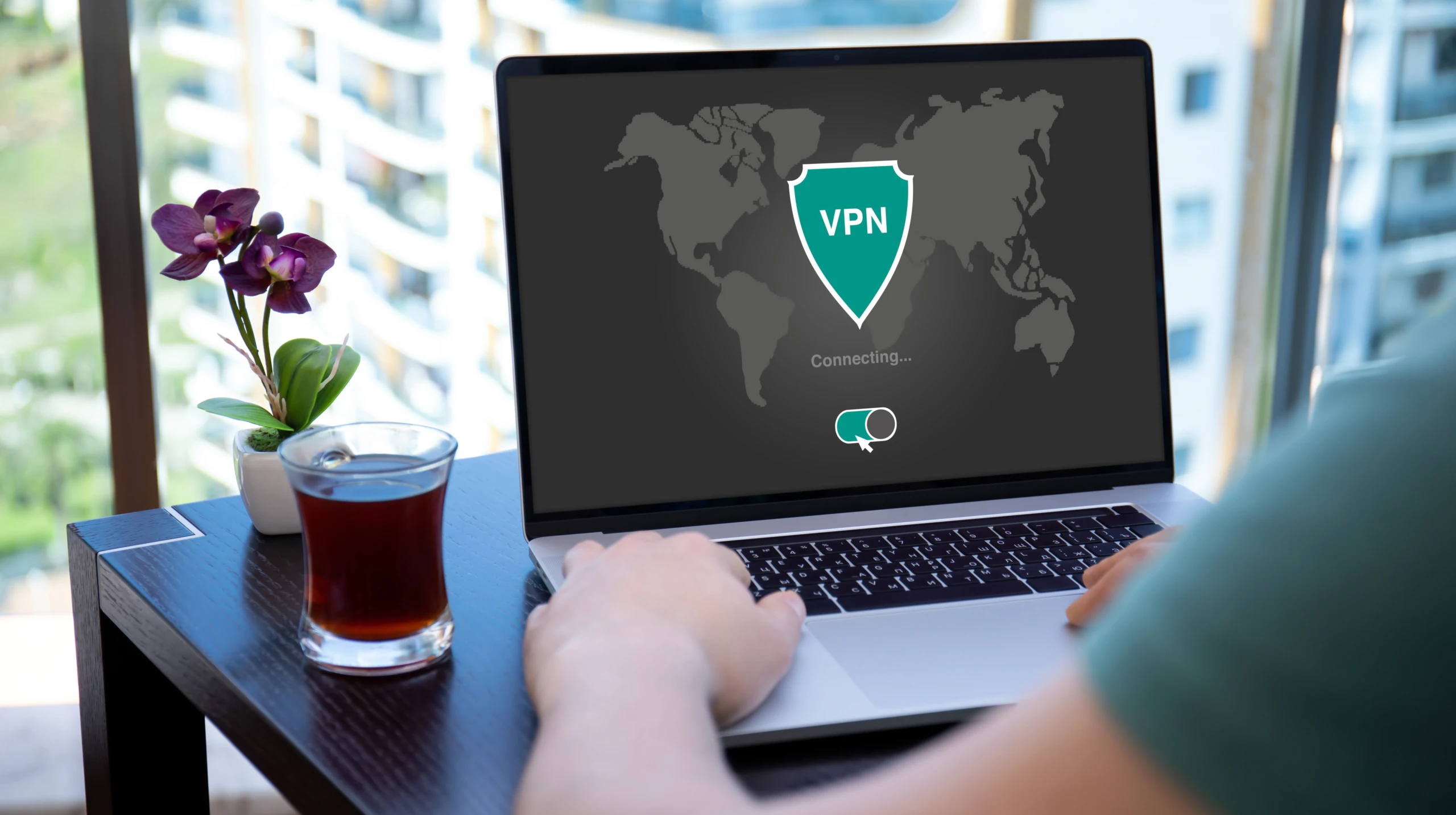
VPNs have been around for decades. But artificial intelligence is quietly changing what they can do, and for Nigerians increasingly worried about online privacy, the upgrade is worth understanding.

A Virtual Private Network, or VPN, works by creating an encrypted tunnel between your device and the internet. It hides your real IP address and makes it harder for third parties to see what you are doing online. That basic function has not changed. What AI is now adding on top of it is a layer of intelligence that makes the whole thing faster, more responsive, and better at catching threats.
Traditional VPNs operate on fixed rules. You pick a server, the app connects, and everything stays the same until you manually change it. That setup worked well enough when the main goal was simply hiding your location or accessing content not available in your country.
The problem is that the online threat landscape has changed significantly. Phishing sites, malicious domains, and tracking scripts evolve constantly. A fixed rulebook struggles to keep up with threats that change daily or even hourly.

The most practical addition AI brings to VPN technology is smarter server selection. Instead of just connecting you to the nearest or fastest server based on a simple algorithm, AI-powered systems analyse multiple factors at once, including server load, historical congestion patterns, time of day, and your specific usage type, before deciding where to route your connection. The result is more consistent speeds, especially during peak internet hours.
The second major addition is real-time threat detection. AI models trained on network traffic patterns can identify suspicious behaviour that a fixed blocklist would miss entirely. For example, a sudden spike in connection attempts toward a known phishing domain can trigger an automatic block before you ever click a link. This is particularly useful for Nigerian users given the volume of phishing campaigns targeting local bank customers and mobile money users.
Third, some AI-enhanced VPNs now offer adaptive encryption. This means the system can adjust how much encryption is applied depending on what you are doing. A banking session gets maximum protection. General browsing gets a lighter touch that keeps speeds higher. The system decides automatically based on the sensitivity of the connection.

It is important to be honest about what AI cannot do inside a VPN. No amount of machine learning replaces strong encryption standards. AES-256, which is the encryption benchmark used to protect sensitive government and financial data globally, remains the foundation any credible VPN should have regardless of how much AI gets added on top.
Similarly, a no-logs policy, meaning the VPN provider does not store records of your browsing activity, matters more than any AI feature. If a provider keeps logs of your traffic, an AI threat detector does not fix that fundamental privacy problem.
Independent security audits are another non-negotiable baseline. Firms like Cure53 regularly test VPN products for security vulnerabilities. A provider that has never undergone an independent audit deserves more scrutiny than one whose security has been verified externally, no matter how sophisticated its AI marketing sounds.
Free VPN apps in particular deserve extra caution. Some free VPN services have been linked to data collection practices that directly undermine the privacy they claim to offer. A few have even been found to contain malware. When privacy is the goal, free is rarely a safe starting point.
There is also the question of where AI processing happens. Some VPN services that claim AI-enhanced security send your network data to remote third-party servers for analysis. That introduces another point where your data could potentially be logged or leaked, which creates a new privacy risk while trying to solve an existing one. Providers that process AI analysis on-device rather than sending data to an external server offer a more genuinely private approach.
For everyday Nigerian users whose primary concern is protecting banking apps, email, and personal data on public Wi-Fi or shared networks, the AI enhancements in modern VPNs offer real, practical value. Smarter threat detection and better server selection translate into a more reliable and safer browsing experience.
The key is to evaluate any VPN on its fundamentals first: strong encryption, a verified no-logs policy, and independent auditing. AI features are a useful bonus on top of that foundation, not a replacement for it. Choose based on what the provider can prove, not just what it claims.