
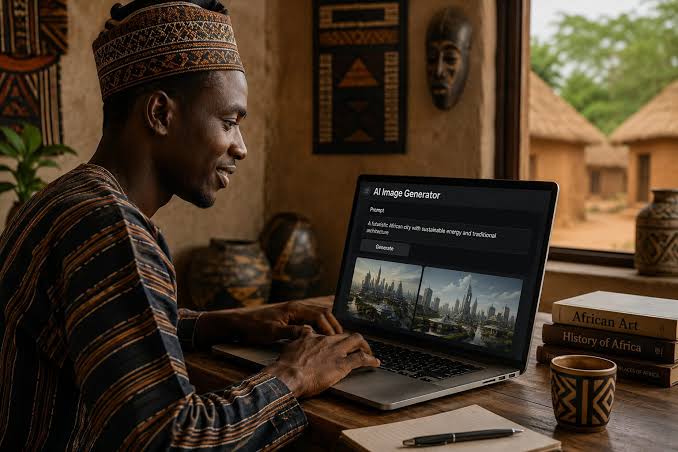
Nigeria has launched a new continent-wide AI project called the ATLAS Network. The goal is simple: make sure AI systems can finally understand and speak Africa’s own languages, not just English and other Western languages.

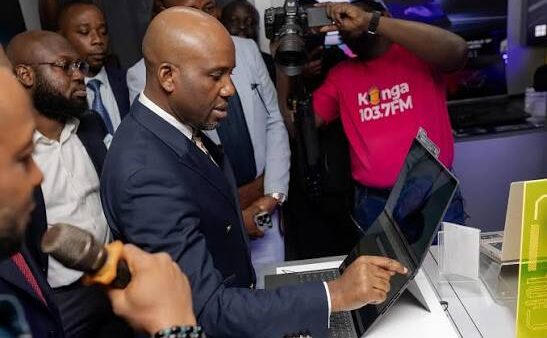
The initiative was announced by Dr Bosun Tijani, Nigeria’s Minister of Communications, Innovation and Digital Economy, on Thursday at the seventh ordinary session of the African Telecommunications Union (ATU) Conference of Plenipotentiaries in Abuja. Vice President Kashim Shettima attended the event as the Special Guest of Honour.
Most AI tools people use today, like chatbots and voice assistants, were built mainly on English and other major world languages. They often struggle badly with Nigerian and African accents, local languages, and everyday cultural expressions.
Tijani revealed that fewer than 2% of Africa’s languages are currently supported by modern AI systems, even though Africa is home to nearly one third of the world’s languages. That is a huge gap. It means voice assistants may not understand a Yoruba or Hausa accent properly, and AI tools used in schools, hospitals, or government offices may fail to serve people in the language they understand best.
“Africa must arrive prepared, united and credible.” Dr Bosun Tijani, Minister of Communications, Innovation and Digital Economy
ATLAS Network is an expansion of Nigeria’s N-ATLAS, described as Africa’s first government-backed open-source Large Language Model (LLM), which was launched at the United Nations General Assembly last year. N-ATLAS was built to support Yoruba, Hausa, Igbo, and Nigerian-accented English, with reports linking its development to Nigerian AI researchers working alongside local tech partners (this specific detail is not yet confirmed across multiple outlets).

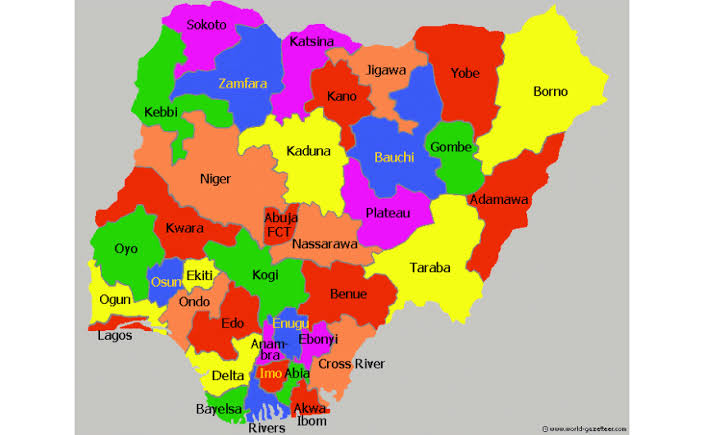
ATLAS Network takes that same idea and expands it beyond Nigeria to the rest of the continent. The initiative brings together governments, researchers, innovators, academia, and development partners to build locally relevant AI models by Africans and for Africans. Instead of every African country working alone, they will now share data, research, and computing power.
Tijani said Africa cannot afford to just use AI built by other people. He wants the continent to build its own tools, using its own languages and knowledge.
He said the platform would help African countries develop AI tools that address local needs and reduce reliance on technology solutions developed outside the continent. He also called for African countries to unite and prepare properly before big international meetings where global tech rules get decided, including the upcoming ITU Plenipotentiary Conference in Doha in 2026.
If ATLAS Network succeeds, it could mean better voice assistants that understand Pidgin, Yoruba, Hausa, Igbo, and other Nigerian languages properly. It could also mean AI tools in banking apps, health services, and government platforms that work well for people who are not fluent in English.
For now, ATLAS Network is still in its early stage. There is no public timeline yet for specific tools or apps to reach ordinary Nigerians, so that part is worth watching in the coming months.
This launch shows Nigeria trying to lead, not follow, in the AI race. Whether other African countries fully join in, and how fast real tools come out of it, will decide if ATLAS Network becomes more than just an announcement.