
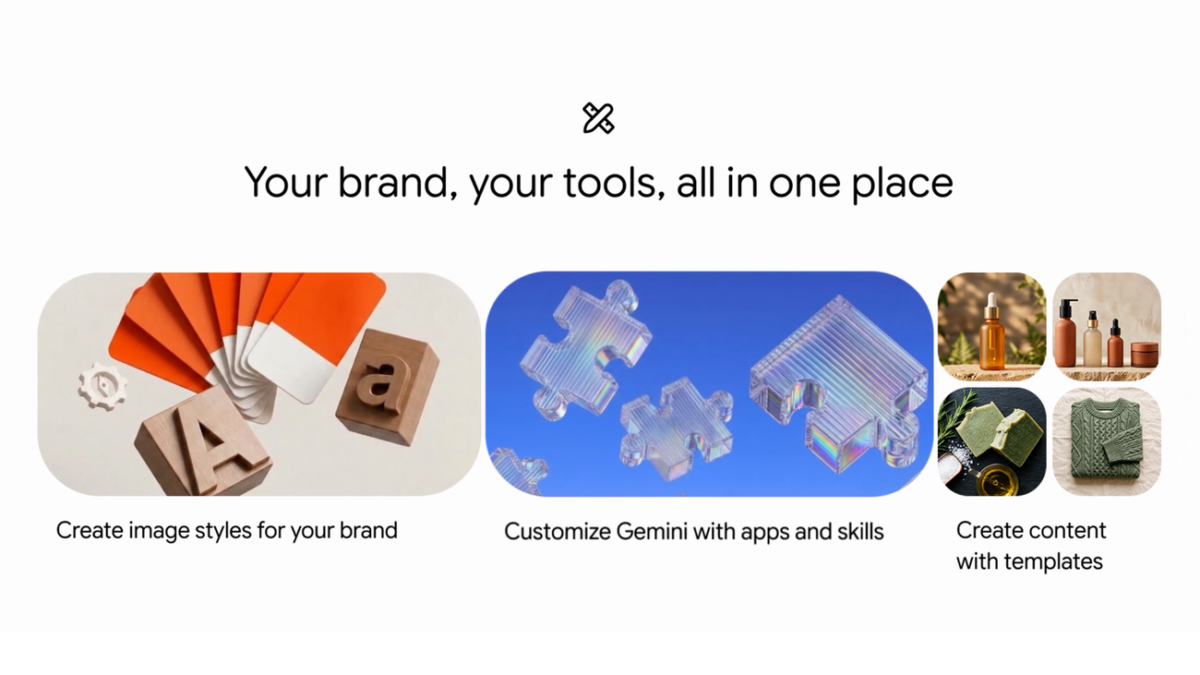
Google said on Tuesday, October 20, 2026, that Gemini is getting a dedicated landing page for small business owners, where you can set up your brand style, analyse your finances and review customer insights from one place. In its announcement on the Google blog, the company said the hub, new marketing and finance skills and a batch of connected apps “are beginning to roll out in the coming days globally for all Gemini app users”. That wording covers free accounts as well as paid ones, so a fashion vendor in Aba or a caterer in Ibadan using the regular Gemini app shouldn’t need a subscription to try it.
That makes this rollout different from Gemini 4 Argon, which free users in Nigeria still can’t use. Google says “tens of millions of small business owners are using Gemini today”, and the owners it profiled in the announcement run businesses in France, India, Brazil, Indonesia and the US. None of them are in Africa, so there’s no public example yet of how the finance tools cope with a naira ledger, and you’ll want to check the first charts it gives you against your own records.
| Announced | 20 October 2026 |
|---|---|
| Who gets it | All Gemini app users, rolling out globally over the coming days |
| Available in Nigeria | Yes, as part of the global rollout |
| What's new | Business landing page, brand-style visuals, finance insights, customer insights |
| Connected apps named | Google Business Profile, Google Ads, Google Workspace, Adobe, Canva, Dropbox, Shopify, Wix, Zoho, Xero |
| For larger companies | Gemini Enterprise, with admin controls and data governance |
Upload your brand kit once and every Gemini flyer keeps your colours
The marketing side starts with a brand style. You give Gemini your website, a brand kit, your fonts or your colour palette, and it remembers that style when it creates images with Google’s latest image model. Google’s pitch is that you stop re-uploading the same guidelines every time you need a product launch poster or a campaign graphic, and the visuals stay consistent from one post to the next.
For a Nigerian business that sells mostly through Instagram, WhatsApp Status and TikTok, that consistency is where most of the time saving sits, because the same logo, colours and fonts need to show up on every flyer, price list and promo graphic. Don’t skip the proofreading, though. Check prices, phone numbers and addresses on anything Gemini designs before you post it, since a wrong digit on a flyer costs you customers who can’t reach you.
Your receipts and messy sales sheets can turn into charts
The finance skill is aimed at owners who keep records in scattered spreadsheets and photographed receipts. Google says Gemini can turn spreadsheets, receipts and purchase records into clear financial graphics and interactive models, which in practice means you could upload a month of sales and supplier receipts and ask which products actually made you money, or how your costs moved from week to week.
Treat those charts as a starting point rather than your accounts. Totals pulled from blurry receipt photos are easy to get wrong, so compare them with your bank or POS statements before you make a stock or pricing decision. Be careful with customer records too, because uploading other people’s phone numbers and addresses into any AI tool is a data protection question under the Nigeria Data Protection Act, so strip out personal details you don’t need for the analysis.
The connected apps that matter if you sell in Nigeria
Gemini can link to Google Business Profile, Google Ads and Google Workspace, plus third-party apps including Adobe, Canva, Dropbox, Shopify, Wix, Zoho and Xero. The Business Profile link is the one most local shops will feel first, since that’s the listing that shows your business on Google Maps and in search, along with its reviews. If you already design in Canva or run a store on Shopify or Wix, Gemini should be able to work with what’s in those accounts rather than starting from scratch.
Nigerian payment platforms such as Paystack, Flutterwave, Moniepoint and OPay aren’t among the apps Google named, so sales data from those will have to come in the old way, as a downloaded statement or exported spreadsheet. ChatGPT has been pushing into the same territory, most recently with a Chrome extension that reads your open tabs and fills in forms, so the AI tool you already use for your business may soon decide which of these features you lean on.
How to be ready when the hub reaches your account
The rollout is gradual, so update the Gemini app from the Play Store or App Store and check again over the next few days if the business page hasn’t appeared. While you wait, gather the things Gemini will ask for, such as your logo file, the hex codes or names of your brand colours, your website link if you have one, and a clean copy of last month’s sales sheet. Make sure your Google Business Profile has your correct opening hours and phone number too, because Gemini will be working from whatever that listing already says.
If you run a bigger operation with staff who need managed accounts, Google is pointing those businesses to Gemini Enterprise instead. For a one-person shop or a small team, the free hub is worth an afternoon of testing, starting with one brand flyer and one month of figures you can check line by line against your own books.