
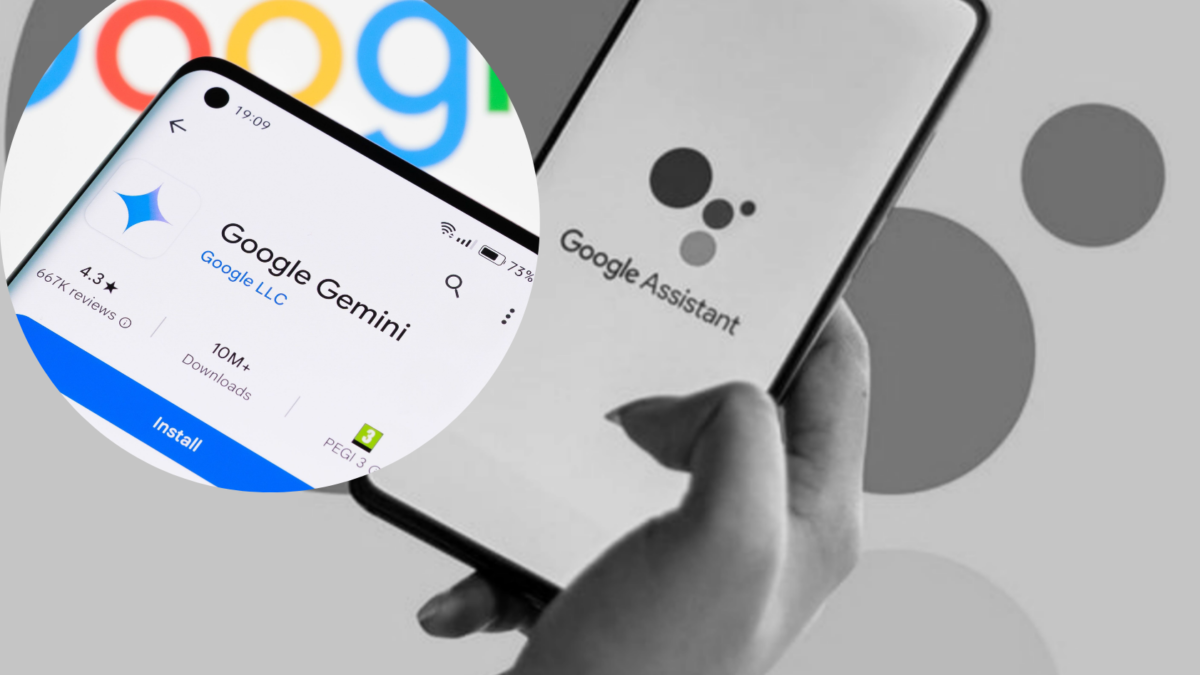
Google has set 4 September as the date it begins removing Google Assistant from Android phones and tablets. The company confirmed it in emails to users on 4 August, saying Assistant is being discontinued on mobile and that Gemini is now the assistant experience on Android. The rollout will take a few weeks to reach everybody, and once it reaches your device, there is no switching back.

What disappears, and what quietly survives
The shutdown reaches further than phones. Wear OS watches, Assistant-equipped headphones and any car running Android Auto projected from your phone all lose Assistant as well, because those devices route their smart features through the handset. Vehicles with Google built-in are treated differently and keep Assistant working past 4 September. Google TV, smart speakers and smart displays aren’t part of this timeline either, although Google says those platforms get updated later without committing to a date.
The Gemini app currently still offers a “Switch to Google Assistant” toggle. That toggle is what’s going away. This was originally meant to happen at the end of 2025, but Google pushed it back to give Gemini time to close feature gaps, and has now decided it’s ready.
The phones getting a stay of execution
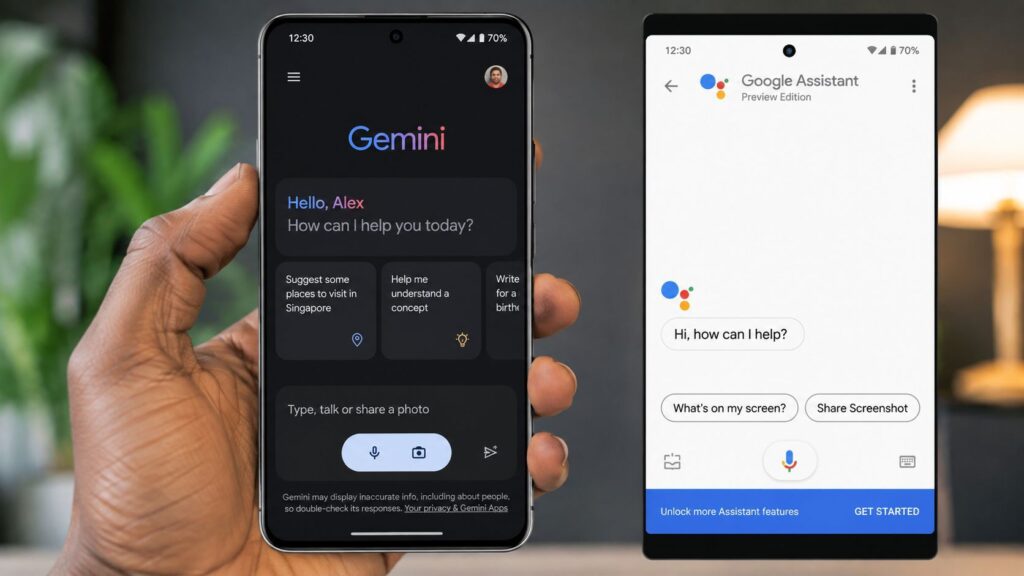
There’s a carve-out worth knowing about if you’re running something older. Devices that don’t meet Gemini’s minimum requirements keep Assistant for now, and those minimums are Android 10 or newer with at least 2GB of RAM. Phones on Android 9 or below, or with under 2GB, sit outside the forced switch.
That’s a smaller group than it sounds. Android 10 shipped in 2019, and almost everything moving through Computer Village today clears 2GB without trouble. If you bought your phone new in the last four or five years, you’re being moved whether you like it or not.
Nigerians are getting Gemini, just not the Gemini in the adverts
This is the part getting almost no attention, and it’s the part that matters most here. Being switched to Gemini is not the same thing as getting the Gemini features Google has spent the year promoting.
Gemini Intelligence, the agentic layer that reads on-screen content, works across apps and handles multi-step tasks on your behalf, carries its own hardware floor: 12GB of RAM, a flagship chipset, and support for Gemini Nano v3. That bar is high enough to lock out the Pixel 9 series and the Galaxy S25 line, both of them recent flagships. In a market where most phones sold are budget and mid-range Tecno, Infinix, itel, Redmi and entry-level Samsung units, effectively nothing on the shelf qualifies.

So what most Nigerian users actually receive is the base Gemini assistant handling the ordinary jobs Assistant used to, minus the automation that made the whole switch sound like an upgrade. Memory allocation is becoming the dividing line across Android generally, and it’s showing up even in Google’s own upcoming hardware plans.
The data question Google hasn’t answered
Assistant ran on predictable hardcoded rules and dealt with plenty of simple commands without much back and forth to a server. Gemini is built on large language models, and most of what it does depends on cloud processing and a live internet connection.
If you’re on unlimited fibre, that’s invisible. If you’re buying data in ₦500 bundles, it isn’t. Google hasn’t published any comparison of how much data routine voice commands consume under Gemini versus Assistant, so nobody can honestly tell you yet what the monthly difference looks like. It’s the thing to actually measure in September, especially if you lean on voice control while driving or through a watch. Anyone already watching their data spend closely should keep an eye on it.
There’s also the plain question of whether it works well here. Gemini’s cloud dependence assumes connectivity that large parts of the country simply don’t have, a gap the CBN governor himself has named as the real constraint on AI adoption in Africa. Accent and language handling is the other open question, and it’s one reason work like Nigeria’s ATLAS Network matters more than it might appear.
Do this before the switch reaches you
You’ve got roughly a month while both still exist on your phone, and that window is worth using.
- Install or update the Gemini app and set it as your assistant now, so you can compare the two before the choice is taken away.
- Check your RAM and Android version under Settings, then About phone, so you know which side of the requirements you fall on.
- Test the specific commands you actually depend on rather than the ones in the demos. Calls, alarms, smart home controls and Android Auto are where users elsewhere have reported the roughest gaps.
- If something you rely on doesn’t work, send Google feedback through the Gemini app while there’s still a month of runway for fixes.
Assistant launched in May 2016 and spent nearly a decade becoming muscle memory for a lot of people. Replacing it with something that answers differently, needs more bandwidth and reserves its best features for phones most Nigerians won’t buy is a bigger change than a September date on an email suggests.