
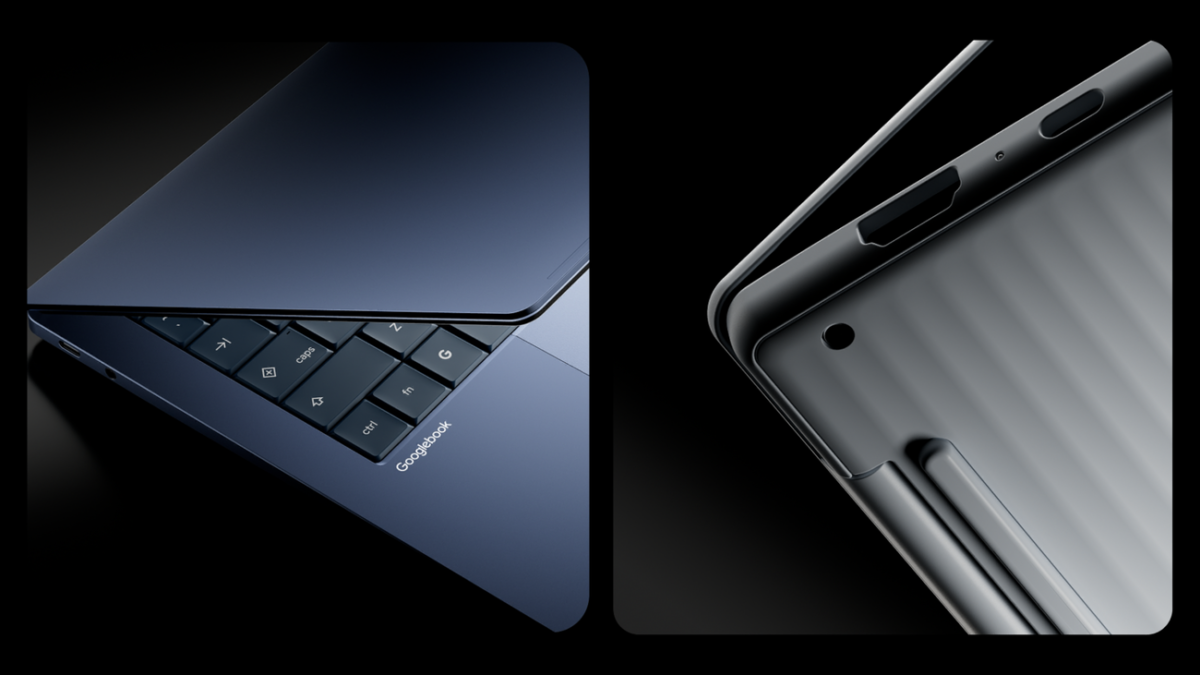
Google’s first Googlebook laptops reached store shelves on October 4 in the United States and on October 5 in Canada, the United Kingdom, Ireland, France, Germany and Australia, starting at $899. Nigeria isn’t on that list, and Google hasn’t announced a date for any African market, so anyone here who wants one this year is looking at an import rather than an official purchase.
Googlebook is Google’s new laptop platform, built on Android with desktop foundations taken from ChromeOS, and the first models come from Acer, ASUS, Dell, HP and Lenovo. Google’s pitch is that your Android phone and laptop finally behave like one system, and it backs the hardware with a promise of up to 10 years of OS updates, a long support window for a laptop you’d be paying import prices for.
| Processor | Intel Core Ultra or Snapdragon X Elite, with NPUs rated over 45 TOPS |
|---|---|
| RAM | From 16GB |
| Storage | From 256GB |
| Display | Touchscreens up to 2.8K OLED |
| Battery | Up to 14 hours (Google's video playback test) |
| Weight | Under 2.85 lb (about 1.29kg) |
| Operating System | Android-based, with up to 10 years of OS updates |
| Launch Price | From $899 (US MSRP) |
| Makers | Acer, ASUS, Dell, HP, Lenovo |
| Sold in | US, Canada, UK, Ireland, France, Germany, Australia |
Your Android phone is the reason Googlebook exists
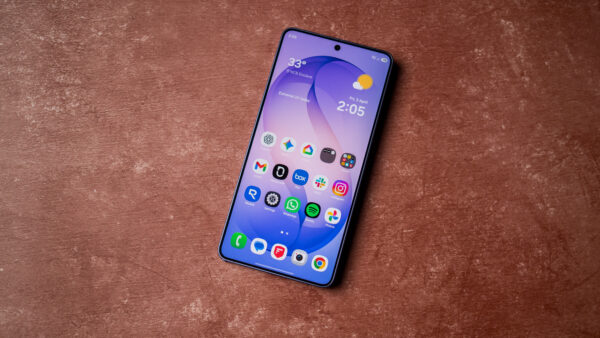
Google said in its Googlebook launch post that the laptop is “built on a shared Android foundation, so your phone and laptop work seamlessly together”. In practice, the official Googlebook site lists three phone features. Cast My Apps opens your phone’s apps on the laptop screen, Continue On lets you start a task on your phone and finish it on the laptop, and Quick Access pulls files from your phone without cables. You also get the Google Play Store on the laptop itself.
Those phone features need a phone running Android 17 or later, which rules out any handset that hasn’t received that update. Before you think about a Googlebook, check Settings > About phone > Android version on your phone, and if it’s below 17, the headline features won’t work for you until your phone’s maker delivers the update. Our guide to updating to the latest Android version safely covers how to check for it.

Gemini runs the show, even with the lid closed
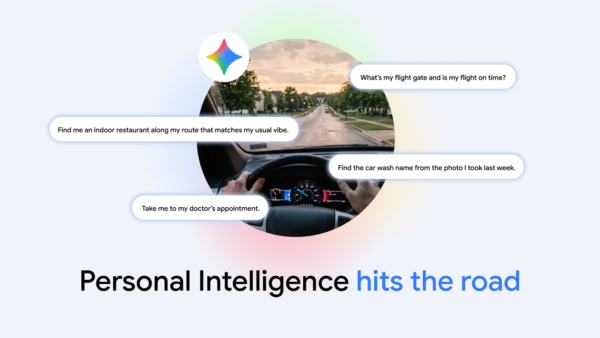
Google has built Gemini into the laptop at system level. The Googlebook site describes wiggling the pointer to call up Gemini, a dedicated G key for quick searches, Gemini Live through “Hey Google”, search that finds files by what’s inside them, and a Gemini agent that keeps working on a task even when the laptop is closed. It’s the same push towards agent-style AI we saw with Gemini 4 Argon’s arrival in Nigeria, where access depended on the plan you pay for.
Google also bundles 12 months of Google AI Pro with 5TB of storage, three months of YouTube Premium, Adobe Photoshop and a year of GeForce NOW cloud gaming with each Googlebook. Its launch post doesn’t say whether those offers can be claimed on a unit bought abroad and used in Nigeria, so treat them as a possible bonus rather than part of the price you’re paying.
Thinking of importing one? Count more than the $899
The $899 figure is a US starting price, and getting a unit to Nigeria adds shipping, customs duty and the exchange rate on the day you pay. Because Google and its partners don’t sell Googlebook here, warranty claims and repairs would depend on what each maker’s international warranty covers, so ask the seller for the exact model and check that manufacturer’s warranty terms for Nigeria before paying. A premium laptop with no local support can become expensive the first time a screen or keyboard fails.
If you’re happy with a Windows laptop you already own, a slow machine is often fixable without replacing it, and our walkthrough on the hidden startup apps that slow Windows down is a cheaper place to start. Googlebook makes most sense for someone already on an Android 17 phone who wants laptop and phone tied together tightly, and for everyone else here, waiting for Google to name an African launch date is a better use of money than paying import costs now.