
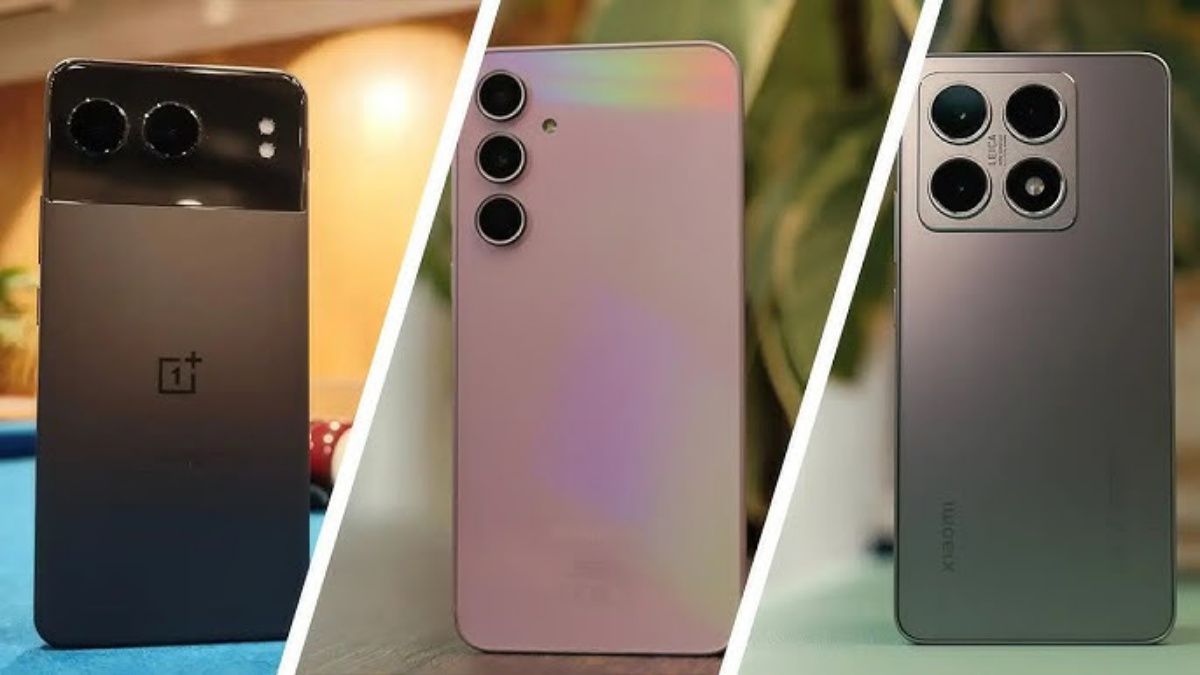
Counterpoint Research put a number on something Nigerian buyers have been feeling all year. In the first quarter of 2026, DRAM prices had risen 50% since the last quarter of 2025 and NAND flash storage had jumped 90%, and memory now accounts for roughly 43% of what it costs to build an entry-level smartphone. For a midrange phone that figure is closer to 14%, and for a flagship about 23%. So the cheapest phones on the shelf are the ones carrying the heaviest exposure to the price shock, which is the opposite of what most people assume.
That matters because of what happened in the years before it. Between roughly 2023 and 2025, budget Android phones genuinely closed most of the gap on midrange, picking up AMOLED panels, 120Hz refresh rates, capable chips and update policies that no longer expired within a year. That trend was real and it changed how people should shop. What almost nobody planned for is that 2026 would partly reverse it at the very bottom of the market, so this is worth looking at in two halves: how the gap closed, and what the memory crisis is now doing to it.
How budget phones caught up, and why that part of the story is still true
The processor shift did most of the work. MediaTek’s Dimensity 7000 and 8000 series brought modern architecture and 5G to phones that manufacturers could still build cheaply, and Qualcomm answered with the Snapdragon 6 and 7 Gen families. These weren’t cut-down chips pretending to be capable, they were built on current manufacturing processes and they handle browsing, WhatsApp, streaming and moderate gaming without complaint. The practical result is that a Tecno Spark 40 Pro+ or a Tecno Camon 40 does everything most people ask of a phone, and the person holding a much more expensive device is not having a visibly better time scrolling Instagram.
Displays followed the same path. A 120Hz AMOLED panel at FHD+ resolution used to be a flagship marker and is now routine well below ₦300,000, and the difference between a decent budget AMOLED and an excellent midrange one comes down to peak brightness and colour accuracy rather than anything you notice indoors. Cameras improved too, though less than the megapixel numbers suggest, since the real gain came from computational processing rather than sensors. Software support was the quiet one: Samsung now commits to six major Android upgrades on its A series, and Tecno and Infinix have moved to roughly two OS upgrades with three years of security patches, which is a different world from the single update budget phones used to get.
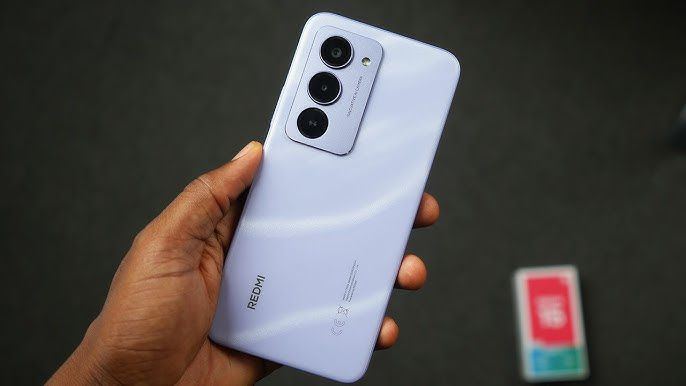
None of that has been undone. A well-chosen budget phone in 2026 still covers the daily experience of the vast majority of Nigerian users. What has changed is the price you pay for it and, more quietly, what you get inside the box for that price.
The memory shortage is squeezing cheap phones hardest, not expensive ones
The cause sits well outside the phone industry. AI data centres are consuming enormous quantities of high bandwidth memory, and because the same three companies make almost all the world’s DRAM and NAND, every chip that goes into an AI accelerator is a chip that doesn’t go into a phone. Gartner projects combined memory prices climbing around 130% by the end of 2026, which it expects to push smartphone prices up roughly 13% compared with 2025. TrendForce has already revised global smartphone output down by 2% for the year. Our report on Google admitting the Pixel 11 will cost more after a 328% RAM price jump is the same story showing up at the top of the market.
The unequal distribution is what matters for Nigeria. Because memory is 43% of an entry-level phone’s build cost against 14% for a midrange device, a given percentage rise in DRAM lands roughly three times harder on the cheap phone. Counterpoint calculated that a typical 6GB and 128GB entry-level configuration saw its total build cost rise 25% in a single quarter. Omdia, writing in July 2026, expects global shipments of phones under $400 to fall by 22% as those costs reach retail prices, and notes memory prices rising by as much as 200% year on year.
Nigeria feels this more than most markets because the pressure lands on top of everything else. The GSMA has already reported that phone prices eat up to 80% of monthly income for some Africans, and a 13% global increase does not arrive here as 13%. It arrives layered onto import costs, exchange rate movement and retailer margins, which is part of why the NCC has been pushing incentives for locally assembled devices.
The spec cut you will not see printed on the box
Manufacturers have two ways to absorb a cost increase, and raising the sticker price is the one they like least. The other is to keep the price and quietly reduce what’s inside, which is exactly what Omdia has observed: memory capacity is polarising, with premium phones getting more RAM while budget devices get less. Some entry-level models have gone back to 4GB after years of 6GB being standard, and storage is being switched from faster UFS to cheaper eMMC on models that previously shipped with the better option. The phone looks identical in the advert and performs worse in your hand.
This makes variant checking the single most valuable habit you can pick up this year. Confirm the exact RAM and storage figures rather than trusting the model name, since a “Pro” badge tells you nothing about which configuration a particular seller is holding. Check whether storage is UFS or eMMC where the seller will tell you, because that difference shows up in app launches and file transfers far more than a slightly faster chip does. Be especially careful with listings that lean on “extended” or “virtual” RAM in the headline figure, since that is storage borrowed as memory and is nowhere near as useful as the number implies. We covered several of these traps in our guide to the common buying mistakes Nigerians make on new Android phones, and the memory crunch has made every one of them more expensive to get wrong.
What midrange still buys you, and why that list matters more now
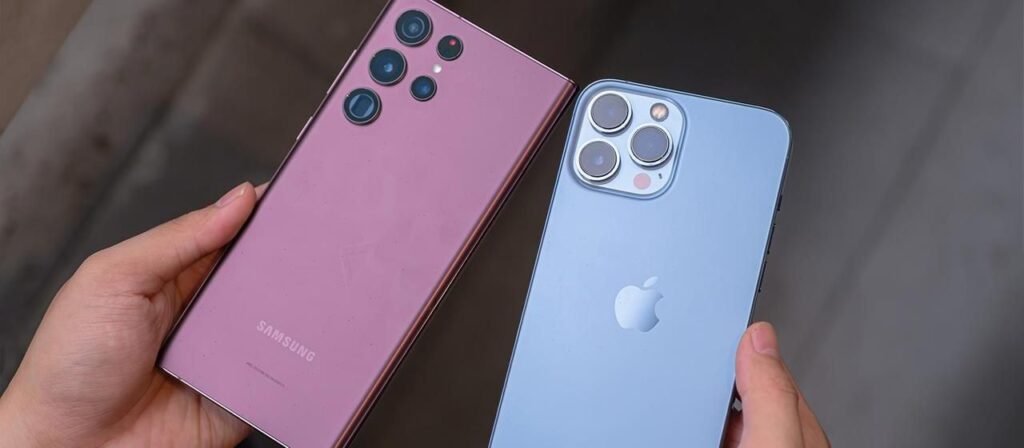
The advantages that survived the great catching-up are mostly the unglamorous ones. Ingress protection is a real gap, since a Samsung Galaxy A56 carries an IP67 rating and Gorilla Glass Victus+ while most budget devices offer neither, and dust and harmattan season are not theoretical problems here. Optical image stabilisation on the main camera, proper ultrawide sensors and usable video are still midrange territory. Service centres, spare parts availability and warranty support are meaningfully better with established brands, which matters more the longer you intend to keep the phone.
Software support has become the biggest of these, and it is the one people undervalue most. Six major Android upgrades against two is a difference of roughly four extra years of a phone staying current, and in a market where prices are climbing rather than falling, the phone you can keep longer is the cheaper phone. That calculation has genuinely shifted since 2024, when replacing a budget device every two years was affordable enough that update policies felt academic.
What this means if you are buying in Nigeria right now
Prices deserve a warning before any numbers. Naira pricing on phones varies enormously between Jiji sellers, Slot, Jumia and computer village, and the same Galaxy A56 turns up anywhere between roughly ₦400,000 and ₦630,000 depending on where you look and which configuration you land on. Treat any figure you read online, including these, as a starting point for negotiation rather than a fixed price, and check two or three sellers on the day you buy.
With that said, the practical advice for 2026 is fairly clear. If you are buying, buy the RAM and storage you actually need now rather than planning to upgrade later, because component prices are rising rather than falling and the cheaper configuration will not get cheaper. Aim for the upper end of budget or the lower end of midrange, roughly the territory where a Tecno Camon 40 or Spark 40 Pro+ sits, since that band still holds its specifications while the very cheapest tier is where the quiet downgrades are happening. If your current phone still works, keeping it another year is a more defensible decision this year than it has been in a long time, and there are a few ways to make an older Android feel faster that cost nothing. A clean used device is also worth considering, provided you work through the checks before buying a refurbished flagship in Nigeria first.
The old hierarchy where budget meant compromise and midrange meant balance really did break down, and anyone telling you that a cheap phone can’t handle daily use in 2026 is working from an outdated picture. What has changed is that the tier label on the box now tells you less than it used to, and the bottom of the market is where the compromises are being hidden rather than advertised. Budget phones are still excellent value for most Nigerian buyers, but the version of that advice that survives this year comes with a condition attached: check exactly what is inside the phone before you pay for it.